
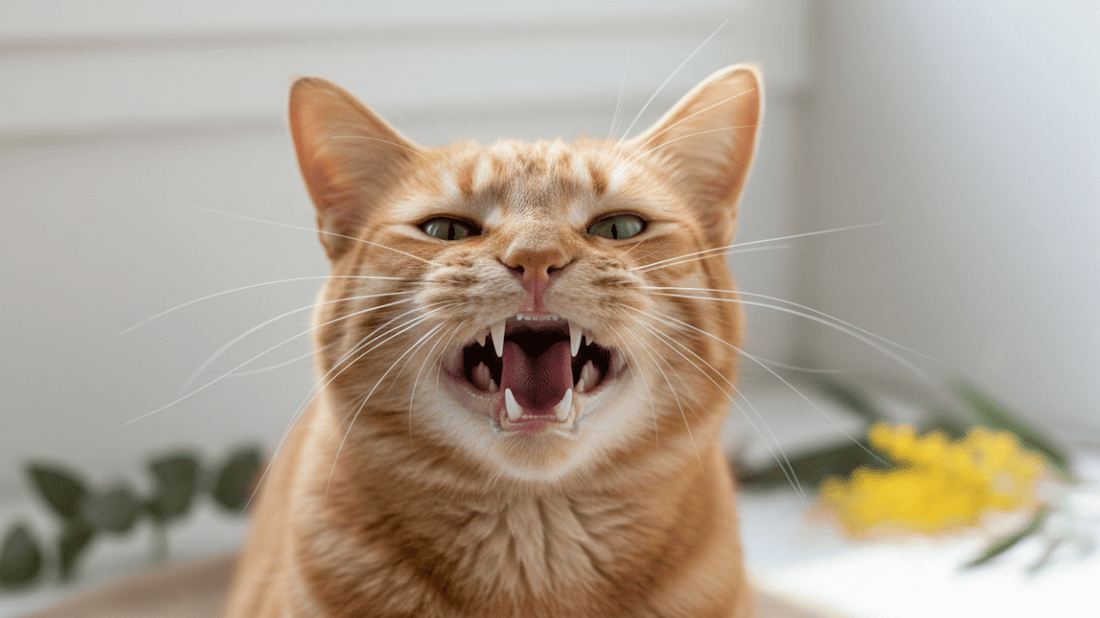
Your cat’s mouth is more than a set of sharp teeth. It is part of a carefully adapted system for eating, grooming, sensing and communicating. The tongue, jaw, teeth, gums and vomeronasal organ each have a different job, and together they help your cat navigate everyday life.
Understanding the basics of feline oral anatomy also makes it easier to notice changes. Australian vets find some level of dental disease in 80% of dogs and cats over the age of three, according to the Australian Veterinary Association.
This guide explains how your cat’s mouth works, what healthy teeth and gums look like, which signs deserve a veterinary check and where Purrlys® can fit into a supportive routine.
Key takeaways
- A cat’s jaw is adapted for mostly up-and-down movement, while the tongue supports grooming, eating and drinking.
- Adult cats usually have 30 permanent teeth, each suited to a different job.
- Plaque and gum irritation can affect comfort, breath and eating behaviour, so changes should not be dismissed as normal ageing.
- A veterinary examination is the right next step for pain, swelling, bleeding, persistent bad breath or difficulty eating.
- Purrlys® supports the oral and gut microbiomes and helps protect teeth and gums from plaque and harmful bacteria.
Table of contents
- How the feline mouth is built
- The tongue and vomeronasal organ
- Feline teeth and gums
- The mouth and gut microbiomes
- Signs that need a vet check
- Where Purrlys® fits in
- Building a simple dental routine
- Frequently asked questions
How the feline mouth is built
A cat’s jaw is designed for gripping and shearing food rather than grinding it from side to side. The upper and lower jaws work together in a mostly vertical movement, which suits a carnivorous diet and helps the teeth perform their specialised roles.
The shape of the mouth also supports grooming and sensory work. Your cat uses their lips, whiskers, tongue and teeth to investigate objects, handle food and care for their coat. A change in the way they use their mouth can therefore be a useful clue that something feels uncomfortable.
Why the jaw movement matters
Because cats are not natural side-to-side chewers, hard food or a toy should never be treated as a guaranteed dental clean. Chewing may provide some mechanical contact, but it cannot replace a veterinary examination or remove tartar below the gumline.
The tongue and vomeronasal organ
The tongue for grooming and eating
The rough surface of a cat’s tongue comes from tiny, backward-facing structures called papillae. Made from keratin, they help move food and assist with grooming by catching loose fur. This is why mats, hairballs and mouth discomfort can sometimes affect the way a cat grooms.
Cats also drink in a distinctive way. Rather than scooping water like a person, they use the tip of the tongue to draw a narrow column of liquid upwards before closing the mouth around it. If your cat suddenly drinks less, drools or seems uncomfortable while eating or drinking, speak with your vet.
The Flehmen response
When a cat pauses with their mouth slightly open after smelling something, they may be using the vomeronasal organ, also known as Jacobson’s organ. It sits in the roof of the mouth and helps process chemical signals such as pheromones. This open-mouthed expression is usually a normal part of feline scent analysis, not a sign of dental trouble by itself.
Feline teeth and gums
Most adult cats have 30 permanent teeth. Their teeth are arranged for different tasks rather than for grinding:
- Incisors: the small front teeth help with grooming and picking up small pieces of food.
- Canines: the longer teeth help grip and hold food.
- Premolars and molars: the teeth further back help shear food into smaller pieces.
The gumline is especially important because plaque collects where the teeth meet the gums. If plaque remains, it can harden into tartar and irritate the surrounding tissue. Healthy gums are generally even and pink, although your vet can best judge what is normal for your individual cat.
Why cats still need dental care
Cats can develop gingivitis, tooth resorption, periodontal disease and other painful problems. They may continue eating or grooming despite discomfort, which makes regular veterinary checks important. Do not scrape tartar at home or try to examine a painful mouth by force.
The mouth and gut microbiomes
The mouth and digestive tract are connected through swallowing, eating and grooming. Bacteria from the mouth regularly move into the digestive system, while the broader health of the body can influence the mouth. That connection is one reason oral care is part of whole-cat wellbeing.
The oral microbiome includes many different microorganisms. When the balance changes, plaque, gum irritation or unpleasant breath may develop. Supporting a healthy routine is useful, but microbiome language should not be used to diagnose a condition or promise that dental disease will not occur.
What supportive care can do
Appropriate home care can help you monitor your cat and support the plan recommended by your vet. It cannot remove established tartar, repair a damaged tooth or treat an infection. If your cat has signs of pain or illness, professional advice comes first.
Signs that need a vet check
Arrange a veterinary appointment if you notice persistent or worsening bad breath, red or bleeding gums, swelling, drooling, pawing at the mouth, loose or broken teeth, dropping food, chewing on one side, reduced appetite or a change in behaviour.
If your cat stops eating, appears very painful, is unusually lethargic or has marked swelling or bleeding, contact your vet promptly. Cats often hide discomfort, so a small change can still be worth discussing.
A gentle home observation
When your cat is relaxed, observe their breath, eating habits and facial behaviour. If they allow it, gently lift the lip for a quick look, but do not force the mouth open or continue if they become distressed. A home check can help you notice a change, but it cannot replace a veterinary examination.
Where Purrlys® fits in
Purrlys® Premium Oral Dental Probiotic for Cats is an odourless, tasteless powder made in Australia in a human-grade facility. It supports the oral and gut microbiomes and helps protect teeth and gums from plaque and harmful bacteria. It is supportive care, not a cure or treatment for dental disease.
For the approved delivery method, sprinkle into your cat’s wet food and mix well, twice daily. Introduce it gradually if your cat has a sensitive stomach, and use the How Purrlys® Works page for age-specific directions rather than guessing an amount.
Once your cat is on the full dose (for adult cats, one 0.5 g scoop in the morning and one in the evening), most cat parents notice fresher breath within about two weeks, so allow two to four weeks from starting. Giving it twice a day, every day, keeps the protective biofilm strong. Once a day takes longer to show results, and some cats may not see results at all. Support for plaque and gums may take 4 to 12 weeks from reaching the full dose, and results can vary between cats. If your cat has chronic kidney disease, thyroid disease or is eating a therapeutic veterinary diet, speak with your vet before using Purrlys®.
Purrlys® can sit alongside veterinary check-ups and the home care your vet recommends. It should not be used to hide symptoms, delay an appointment or replace professional dental care.
Building a simple dental routine
Start with one manageable habit. If your vet recommends brushing, introduce the brush gradually and use toothpaste made for cats. If brushing is not suitable, ask your vet about other products and routines. Keep sessions brief, reward calm behaviour and stop before your cat becomes distressed.
Fresh water should always be available, and food or dental products should suit your cat’s age, health and diet. Avoid raw bones and improvised chewing items, which can cause broken teeth, choking or mouth injuries.
Frequently asked questions
How many teeth does an adult cat have?
Most adult cats have 30 permanent teeth: incisors at the front, canines for gripping, and premolars and molars further back for shearing food.
Why does my cat open their mouth after smelling something?
Your cat may be showing the Flehmen response. This allows them to process chemical signals through the vomeronasal organ in the roof of the mouth and is usually normal.
Can I use human toothpaste on my cat?
No. Use only products made for cats and recommended by your veterinary team. Human toothpaste may contain ingredients that are unsuitable or harmful for cats.
How can I support my cat’s mouth if they will not tolerate brushing?
Ask your vet about suitable alternatives and introduce changes slowly. If you choose Purrlys®, sprinkle into your cat’s wet food and mix well, twice daily. It supports the oral and gut microbiomes but does not replace veterinary care.
How long does it take to notice a difference with Purrlys®?
Once your cat is on the full dose (for adult cats, one 0.5 g scoop in the morning and one in the evening), most cat parents notice fresher breath within about two weeks, so allow two to four weeks from starting. Plaque and gum support may take 4 to 12 weeks from reaching the full dose. If bad breath persists or worsens, arrange a veterinary check.
Is Purrlys® suitable for senior cats?
Purrlys® is suitable for cats of all ages and breeds. If your senior cat has chronic kidney disease, thyroid disease, another diagnosed condition or a therapeutic veterinary diet, speak with your vet before use.
Support your cat’s everyday oral care with Purrlys®, and keep your vet involved whenever your cat needs professional dental care.