
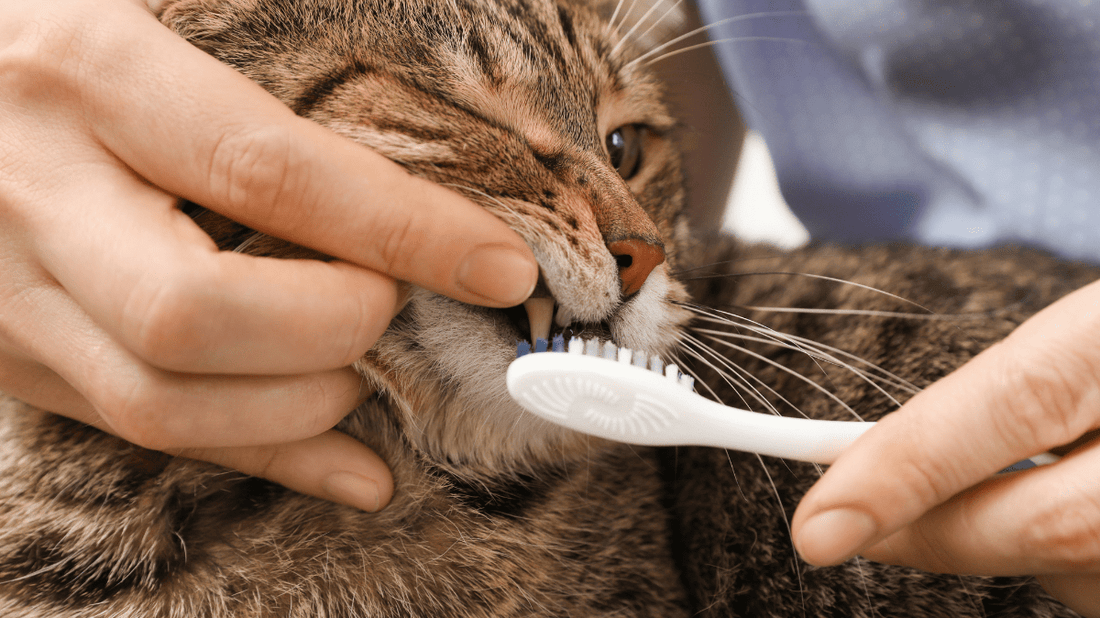
A veterinary dental quote can be confronting, particularly when the final cost depends on what your vet finds once your cat is under anaesthetic. A straightforward scale and polish may cost several hundred dollars, while dental X-rays, extractions, medication and longer anaesthetic time can lift the total considerably.
There is no single standard price for cat dental cleaning in Australia. Clinic location, your cat’s health and the treatment required all affect the bill. This guide explains what may be included, which questions to ask and how supportive home care can fit alongside regular veterinary checks.
Key takeaways
- Ask for an itemised estimate because inclusions vary between veterinary clinics.
- A comprehensive dental procedure commonly involves general anaesthesia, monitoring, scaling above and below the gumline, polishing and a full oral examination.
- Pre-anaesthetic testing, dental X-rays and extractions can increase the final cost.
- Home care can support oral health between appointments, but it cannot remove hardened tartar or replace treatment.
- Purrlys® supports the oral and gut microbiomes and helps protect teeth and gums from plaque and harmful bacteria.
How much does cat dental cleaning cost in Australia?
Australian veterinary clinics set their own fees, so prices can vary widely. A routine procedure may cost several hundred dollars, while a more involved dental with X-rays and extractions can run into the thousands. Treat any online figure as a broad guide, not a quote.
The most reliable approach is to contact your clinic and ask for a written low-to-high estimate. Check whether it includes:
- the pre-dental examination
- pre-anaesthetic blood testing
- general anaesthesia and monitoring
- IV fluids
- scaling and polishing
- full-mouth dental X-rays
- extractions, if required
- pain relief and other take-home medication
- a follow-up appointment
Ask what happens if the vet discovers additional problems during the procedure. Many clinics will agree on a spending limit or contact you before carrying out treatment beyond the original estimate.
What happens during a veterinary dental clean?
A proper dental procedure is more than removing visible tartar. Under general anaesthesia, the veterinary team can examine each tooth, assess the gums and clean above and below the gumline. Dental X-rays may reveal painful problems below the surface that cannot be seen during an awake examination.
General anaesthesia allows the team to work safely and thoroughly while protecting your cat’s airway. Your cat is monitored throughout, with the anaesthetic plan adjusted to their age, health and test results.
Anaesthesia-free cleaning cannot provide the same examination, below-gum cleaning or dental imaging. It may make visible teeth look cleaner without addressing disease beneath the gumline.
Why the final cost can change
Pre-anaesthetic testing
Blood tests help your vet assess factors such as kidney and liver function before anaesthesia. Depending on your cat’s age and medical history, the vet may recommend additional testing or a tailored anaesthetic plan.
Dental X-rays
Much of a tooth sits below the gumline. X-rays can identify root disease, bone loss and tooth resorption that may otherwise be missed. Ask whether full-mouth dental X-rays are included in the estimate.
Extractions
Removing a damaged or painful tooth adds surgical time, medication and monitoring. The complexity varies depending on the tooth and the condition of its roots, so a clinic may not know the exact extraction cost until your cat is anaesthetised and fully assessed.
Location and level of care
Fees can differ between metropolitan, suburban, regional and specialist clinics. Rather than comparing headline prices alone, compare what each estimate includes and how your cat will be monitored.
Signs your cat needs a dental assessment
Australian vets find some level of dental disease in 80% of dogs and cats over the age of three, according to the Australian Veterinary Association. Cats can hide discomfort, so arrange a veterinary check if you notice:
- persistent bad breath
- red, swollen or bleeding gums
- drooling or pawing at the mouth
- dropping food or chewing on one side
- reduced appetite or weight loss
- visible tartar, a loose tooth or facial swelling
Seek prompt veterinary advice if your cat stops eating, appears to be in pain or develops facial swelling. Waiting can allow a painful problem to worsen, but only your vet can recommend the appropriate treatment and timing.
How to plan for cat dental costs
- Request an itemised estimate: Ask for both the likely total and the upper estimate if extractions are required.
- Discuss payment before the procedure: Your clinic can tell you which payment options it accepts. Availability varies, so do not assume a particular service is offered.
- Check your pet-insurance policy: Dental illness and routine dental care may be treated differently. Read the exclusions, annual limits, waiting periods and dental-care requirements.
- Budget for regular examinations: Early assessment may give you more time to plan and can help identify problems before they become more involved.
- Follow aftercare instructions: Medication, feeding and follow-up needs vary, particularly after extractions.
Home care between veterinary visits
Home care supports oral health, but it does not replace veterinary assessment or remove tartar that has already hardened. Your vet can recommend options suited to your cat, which may include brushing with cat-safe toothpaste, an appropriate dental diet or other dental-care products.
Dental treats depend on the cat chewing them properly and may add calories. Brushing can be useful when introduced gradually and accepted comfortably, but forcing it can create stress for both you and your cat.
For cats that resist brushing, an odourless, tasteless powder can be easier to include consistently. Purrlys® Premium Oral Dental Probiotic for Cats supports the oral and gut microbiomes and helps protect teeth and gums from plaque and harmful bacteria. It is supportive care, not a treatment for dental disease or a guarantee that professional cleaning will not be needed.
How to use Purrlys®
Sprinkle Purrlys® into your cat’s wet food and mix well, twice daily. Introduce it gradually over up to two weeks depending on stomach sensitivity.
The amount varies by your cat’s age and stage of introduction, so follow the age-specific Purrlys® directions rather than using a universal scoop amount.
Once your cat is on the full dose (for adult cats, one 0.5 g scoop in the morning and one in the evening), most cat parents notice fresher breath within about two weeks, so allow two to four weeks from starting. Giving it twice a day, every day, keeps the protective biofilm strong. Once a day takes longer to show results, and some cats may not see results at all. Plaque and gum improvements may take 4 to 12 weeks from reaching the full dose. Continue regular veterinary dental checks even when their home routine is going well.
Speak with your vet before using Purrlys® if your cat has chronic kidney disease, thyroid disease or follows a therapeutic veterinary diet.
Frequently asked questions
Is cat dental cleaning covered by pet insurance?
It depends on the policy. Routine cleaning may be excluded or available only through an optional benefit, while treatment for dental illness may have separate conditions. Check your policy wording and ask the insurer to confirm coverage before booking.
How often should my cat have a dental check?
Your vet should examine your cat’s mouth during regular health checks and recommend a schedule based on their age, breed, medical history and current dental health. Some cats need closer monitoring than others.
Can I clean my cat’s teeth at home?
Home care can help manage soft plaque, but it cannot remove hardened tartar or treat disease below the gumline. Never use human toothpaste. Ask your vet how to introduce brushing safely and which cat-specific products are appropriate.
Why might my cat need blood tests before the procedure?
Pre-anaesthetic testing provides information that helps your vet assess risk and plan the anaesthetic. The recommended tests depend on your cat’s age, health and medical history.
Is anaesthesia riskier for senior cats?
Age alone does not decide whether anaesthesia is appropriate. Your vet will assess your cat’s overall health, examination findings and test results, then balance the anaesthetic risk against the pain and health effects of untreated dental disease.
Can Purrlys® replace a professional dental clean?
No. Purrlys® is designed to support the oral and gut microbiomes as part of a consistent home routine. It cannot remove hardened tartar, diagnose dental disease or replace veterinary treatment.
Making an informed decision
When comparing cat dental cleaning costs in Australia, focus on the care included rather than the lowest advertised figure. An itemised estimate, a clear plan for unexpected findings and an open conversation with your vet will help you prepare.
Between appointments, a manageable home routine can support your cat’s oral health. If a brush-free option suits your cat, learn more about Purrlys® Premium Oral Dental Probiotic for Cats and follow the gradual introduction directions.