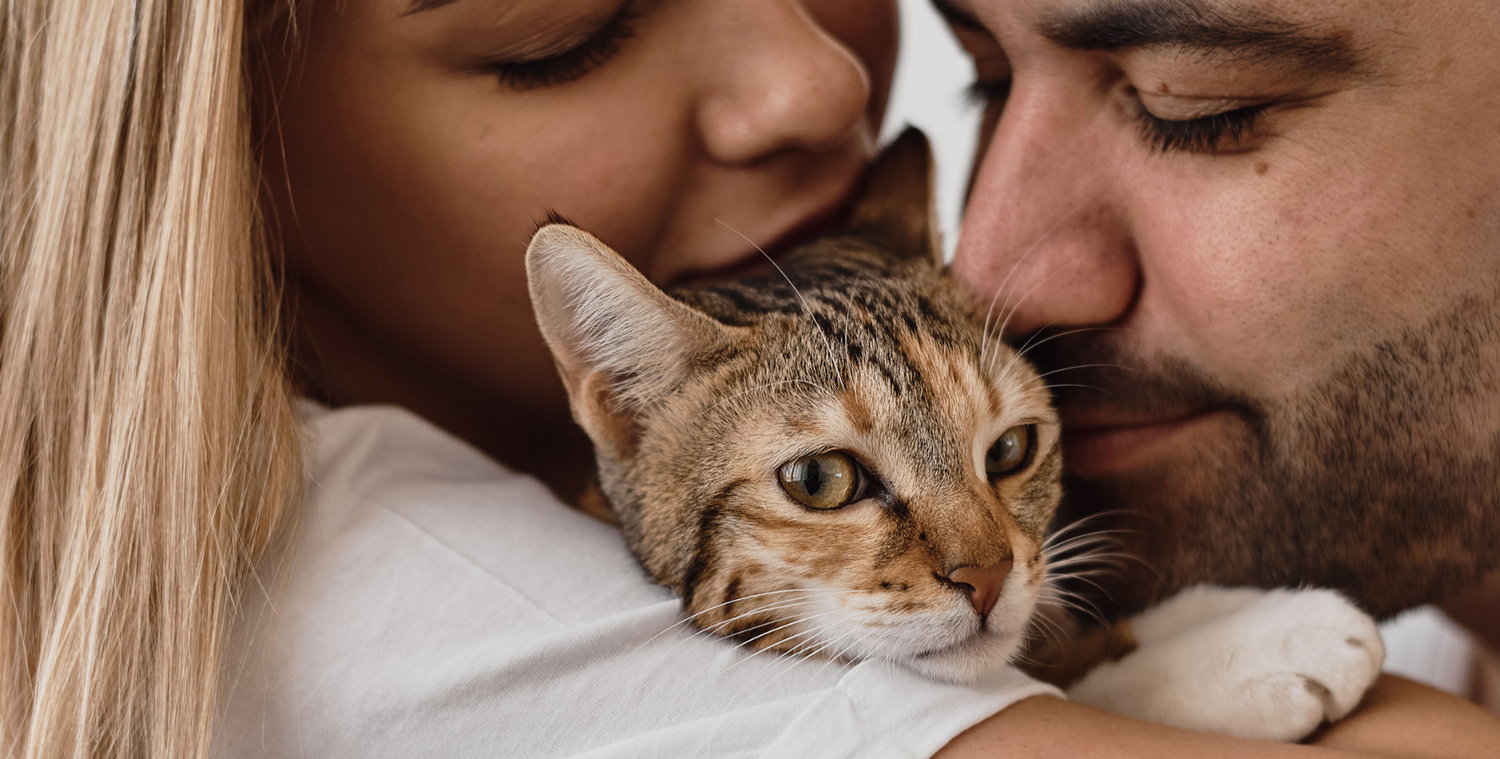
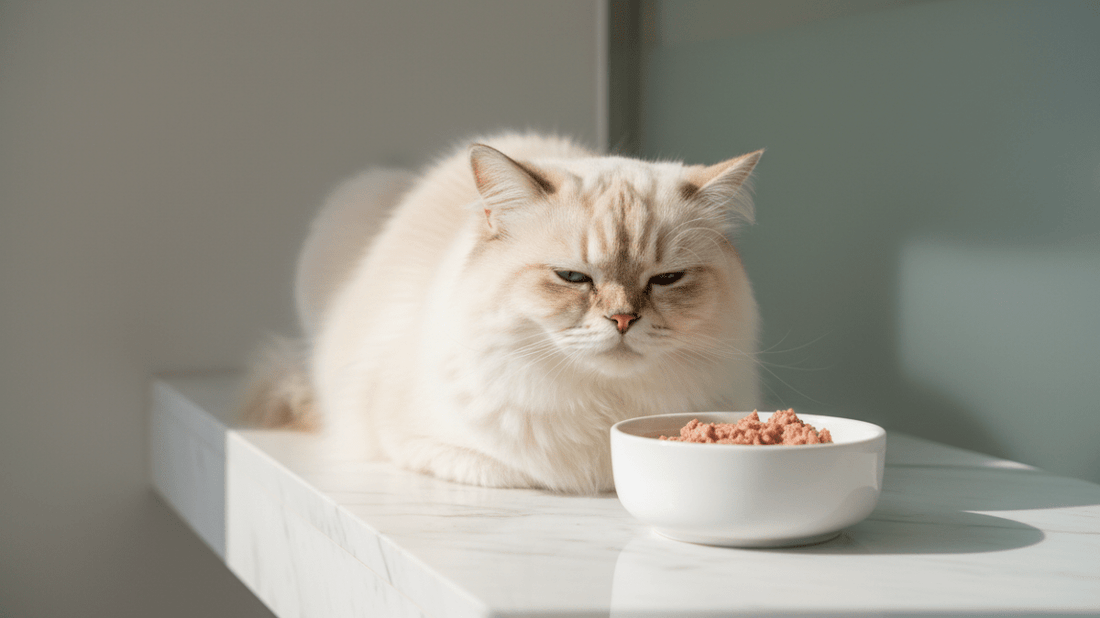
What if the secret to a healthier feline smile isn't found at the end of a toothbrush, but tucked away inside your cat's tummy? We've all been there — you lean in for a sweet nuzzle only to be greeted by a puff of breath that smells like a damp tuna tin. If you're wondering how to support your cat's oral health at home without the drama, you're certainly not alone. You want the best for your kitty, but the thought of wrestling them into a headlock for a daily scrub feels more like a battle than a bonding moment.
The good news is that supporting your kitty's breath and oral wellness can be a breeze with science-backed, brush-free approaches that work from the inside out. We're diving into the world of oral microbiomes to show you how simple additions to their bowl may help neutralise stinky odours and support long-term health. You'll learn about the latest dental probiotics, giving you a stress-free routine that keeps the purrs coming. Get ready to reclaim those cosy cuddle sessions with a feline friend who feels as fresh as they look.
Key Takeaways
- Understand that bad breath is actually a signal from the oral microbiome that plaque-forming bacteria have moved in.
- Discover the Gut-Mouth Axis and why long-term fresher breath may start with supporting your cat's internal ecosystem.
- Learn how to support your cat's oral health at home using a stress-free, brush-free routine that skips the scratches and the drama.
- Implement five simple daily habits, including hydration hacks and diet audits, to help wash away food debris naturally.
- Explore how Australian-developed dental probiotics like Purrlys offer a tasteless, effective way to support your feline friend's oral health from the inside out.
Why Does My Cat's Breath Smell?
Ever leaned in for a cheeky forehead boop only to be hit by a scent that reminds you of a bin on a Melbourne summer day? While it is perfectly normal for your cat to have a slight fishy aroma right after dinner, a persistent, sickly odour is actually a signal from their oral microbiome that something may be out of balance. This is what vets call feline halitosis, and it is usually the first sign that bacteria are thriving in ways you'd rather they weren't.
Plaque is the primary culprit behind those smelly sulphur compounds. It is a sticky, invisible film of bacteria that clings to the teeth and hides under the gumline. These bacteria feast on food particles and saliva, releasing foul gases as a byproduct. As our cats enter their senior years, the cumulative effect of plaque makes bad breath much more common — but it doesn't have to be your reality.
Plaque vs. Tartar: The Odour Architects
Think of plaque as a soft film that is quite easy to disrupt. However, if it isn't managed, it can mineralise into rock-like tartar in as little as 48 hours. Once plaque hardens into tartar, it becomes a rough surface that traps even more bacteria against the sensitive gums. This cycle is a core focus in the field of veterinary dentistry, as untreated tartar may contribute to painful gingivitis. Supporting oral health before plaque hardens is the best way to avoid these high-stakes dental concerns.
Red Flag Smells: When to Visit the Vet
Not all bad breath is created equal. A sweet or fruity scent could be a red flag for diabetes, while an ammonia-like smell might point toward kidney concerns. Beyond the scent, keep a close eye on your cat's behaviour — are they drooling more than usual, pawing at their mouth, or dropping kibble while they eat? A sudden and dramatic change in breath odour always warrants a trip to your local Aussie vet to rule out underlying health concerns.
The Gut-Mouth Connection: Why Fresher Breath Starts Deep Inside
The real magic actually happens much deeper down. The Gut-Mouth Axis shows that our feline friends are one big, beautiful, linked ecosystem. True oral health is a tummy-to-teeth connection that requires more than just a surface scrub.
Masking a stinky situation with minty treats does absolutely nothing to solve the underlying bacterial imbalance. In fact, many of those treats are packed with starches and carbohydrates that actually feed the harmful bacteria. If the gut is out of balance, the mouth may follow suit, leading to persistent odours that no amount of surface cleaning can truly address.
Microbiome Balance 101
The feline microbiome is a diverse community of trillions of microbes — a constant interplay between beneficial bacteria and odour-causing pathogens. Modern diets, often filled with processed grains and fillers, can disrupt this delicate balance. When the harmful bugs gain the upper hand, they produce those signature smelly sulphur gases that rise up and ruin your precious cuddle time.
How Probiotics May Support Feline Oral Health
By introducing targeted probiotics, you aren't just cleaning teeth — you are helping to crowd out the troublemakers that produce smelly gases and may contribute to feline dental disease. These helpful microbes work by disrupting the formation of biofilms — the sticky scaffolding that allows plaque to grip onto the tooth enamel. When you stop the stick, you may help stop the stink.
Supporting the gut may also help your cat's body manage inflammation more naturally. You can discover how a balanced microbiome works to support those kitty kisses from the inside out.
Brushing vs. Alternatives: Is There a Stress-Free Solution?
Let's be honest: trying to brush a cat's teeth is often like trying to bathe a cactus. While manual scrubbing is often cited as the gold standard, the reality for most households is a flurry of fur, hisses, and a few accidental scratches. Is it really worth affecting the precious bond you share with your feline friend just to get a brush into their mouth for ten seconds?
Dental treats are a popular choice, but while some carry the VOHC seal, many are simply calorie-dense biscuits that crumble too quickly to provide any real mechanical cleaning. Water additives are another option, though our more discerning cats can often sniff out the change in their bowl from a mile away. Fortunately, the brush-free approach is here to save your skin and support your cat's smile.
The Pros and Cons of Traditional Brushing
Mechanical cleaning is undeniably effective at disrupting the sticky film on teeth. However, for it to truly make a difference, it must be done daily. Missing even two days allows that soft film to begin hardening into stubborn tartar. For many, this constant pressure leads to stress for both the pet and the person. If the sight of a finger brush sends your kitty under the bed for three hours, it is time to look for a gentler way.
Probiotic Powders: The Modern Australian Alternative
Instead of a wrestling match, you simply sprinkle a tasteless, odourless powder onto their favourite wet food. Australian-made formulas are currently leading the way in feline microbiome research, focusing on a systemic approach that works from the inside out. By choosing a Purrlys Dental Probiotic, you are opting for a stress-free solution that integrates into your existing daily routine without a single scratch in sight.
5 Steps to Support Your Cat's Breath at Home
You don't need a degree in feline dentistry to make a meaningful difference in your cat's oral health. By following these five simple steps, you can work toward supporting your cat's oral wellness without a single hiss or scratch.
- Step 1: Audit the Diet. Take a close look at what's in the bowl. Many cheaper cat foods are packed with fillers and starches that linger on the breath and feed plaque-building bacteria. Opt for high-quality proteins that are easier for your cat to digest.
- Step 2: Hydration Station. Fresh, flowing water helps wash away food debris and keeps the mouth moist, which is essential for a healthy oral environment.
- Step 3: Introduce a Daily Dental Probiotic. A tasteless powder added to their dinner may help balance the oral and gut microbiome from the inside out.
- Step 4: Safe Chew Toys. Silvervine sticks or specialised dental toys can provide a gentle mechanical scrub while they play.
- Step 5: Regular Lip-Lift Checks. Once a week, gently lift your cat's lips to check for redness along the gumline. Catching small issues early may help avoid bigger concerns later.
Hydration and Breath Freshness
A dry mouth is a playground for bad bacteria. When saliva production drops, bacterial growth may spike, leading to that signature bad breath. Try a ceramic water fountain rather than a still bowl — many cats prefer the sound and taste of moving water, which keeps them hydrated and their breath significantly fresher.
Dietary Tweaks for a Sweeter Smelling Kitty
There is a common myth that feeding dry kibble acts like a toothbrush to scrape away plaque. In reality, most kibble shatters upon impact, providing almost no cleaning benefit. Instead, focus on foods that support a healthy oral pH level. High-protein diets with minimal fillers reduce the sticky residue left behind after meals. You can start your journey toward a fresher feline by exploring Purrlys Dental Probiotic to support their oral health every single day.
Purrlys: The Science-Backed Approach to Fresher Breath
Imagine a world where your morning doesn't involve a wrestling match with a feisty feline and a tiny toothbrush. Purrlys was born from a desire to make dental care a delight rather than a chore, specifically for the unbrushable cats of the world. Developed by brilliant Australian microbiome scientists, this formula is designed to support a brush-free approach to oral wellness. It's about providing human-grade, vet-approved support that honours the deep bond you share with your pet.
What makes Purrlys truly special is our dual-action approach. While generic probiotics might focus only on digestion, our specific strains are chosen because they may flourish in both the mouth and the gut. This creates a systemic approach to supporting the bacteria that cause bad breath. By supporting the entire Gut-Mouth Axis, Purrlys may help make it harder for plaque to stick to those pearly whites in the first place.
Why Aussie Cat Parents Choose Purrlys
We know that Australian pet owners value quality and convenience above all else. That's why Purrlys is proudly crafted in New South Wales, using premium ingredients that meet the highest standards of safety. Our community loves skipping the toothbrush tango in favour of a simple, daily sprinkle. Our Purrlys Dental Probiotic is available in 30g, 60g, and 90g sizes with a handy subscription service — so you'll never have to worry about running out.
How to Start Your Journey to Fresher Kisses
Getting started is simple. Just add a single sprinkle of the odourless powder to their favourite wet meal once a day. Most owners begin to notice a gradual improvement in breath freshness and gum health over the first 30 days of consistent use. You can find more details on how Purrlys works to support those kitty kisses. Join our growing community of happy cats and cuddle-loving owners across Australia today.
Ready for Fresher Kitty Kisses?
Reclaiming your snuggle time is just a sprinkle away. By focusing on the gut-mouth connection and ditching the drama of the toothbrush, you are choosing a path of comfort for your pet. Supporting your cat's oral health at home shouldn't be a source of stress — it's about building a simple, daily rhythm that works.
Our vet-approved, brush-free formula was developed by Australian microbiome scientists specifically for our discerning feline friends. It is a tasteless powder that even the fussiest eater won't detect in their dinner bowl. Shop Purrlys Dental Probiotic for a Fresher Feline Smile.
Frequently Asked Questions
Is it normal for a cat's breath to smell like fish?
A faint fishy scent immediately after a salmon-flavoured meal is perfectly normal. However, a persistent, pungent odour that lingers throughout the day is usually a sign of bacterial imbalance rather than just dinner. This persistent smell is your cue to start looking at a more proactive oral care routine.
Can I use human mouthwash or toothpaste for my cat?
You should never use human dental products on your feline friend because they contain ingredients that are toxic to cats. Common components like fluoride and xylitol can cause serious health issues if swallowed. Always stick to pet-specific solutions designed for their unique physiology and safety.
How long does it take for a cat's breath to improve with probiotics?
Most pet parents notice a gradual improvement in breath freshness within about 30 days of consistent daily use. Because probiotics work by supporting the internal ecosystem rather than just masking smells, it takes a few weeks for the beneficial bacteria to establish themselves. Consistency is the secret to seeing those results build over time.
What is the Gut-Mouth Axis and why does it matter for my cat?
The Gut-Mouth Axis is the biological link between your cat's digestive system and their oral health — a two-way pathway where the bacteria in the gut may influence the environment in the mouth and vice versa. By supporting a healthy gut microbiome, you are helping your cat manage plaque and bad breath from the inside out.
My cat is a very picky eater; will they notice a dental powder in their food?
Most picky eaters won't even know it's there because the powder is designed to be completely tasteless and odourless. Simply mix it into their favourite wet food, and they will likely gobble it up without a second thought — the ultimate stealth health hack for cats who run at the sight of a toothbrush.
Can bad breath in cats be managed at home without a vet?
While you can support mild bad breath and help slow new plaque buildup at home, a professional vet check-up is essential if your cat has hardened tartar or underlying health issues. Home care is great for maintenance, but it cannot remove rock-like calculus once it has already formed. If you notice red gums, bleeding, or difficulty eating, a trip to your local Aussie vet should be your first priority.
Does dry food actually help clean a cat's teeth?
Standard dry kibble provides very little cleaning benefit because it typically shatters into small pieces as soon as your cat bites down. A systemic approach using probiotics and targeted hydration is a much more reliable way to support oral hygiene than crunchy biscuits alone.
How often should I check my cat's teeth and gums?
You should aim to perform a gentle lip-lift check at least once a week to monitor your cat's oral health. Look for any signs of redness along the gumline, yellowing on the teeth, or unusual drooling that might indicate discomfort. This simple weekly habit helps you catch potential issues early and ensures that your daily routine is working effectively.