Did you know that approximately 30% of Maine Coons carry a genetic mutation linked to Hypertrophic Cardiomyopathy? It's a startling figure that often weighs heavy on the hearts of Aussie fur-parents. You likely already feel that keeping your 9kg gentle giant in peak condition is a massive responsibility, especially when you're staring down a coat full of mats or worrying about those breed-specific hip issues. It's completely natural to feel a bit overwhelmed by the sheer scale of Maine Coon Cat Breed Health and Care requirements.
We're here to make your life a whole lot more pawsome and stress-free. You'll discover how to keep your feline friend thriving with expert grooming tips and learn why the secret to a sparkling smile actually starts in the belly. At Purrlys, we know that the oral and gut microbiomes are intrinsically linked; balancing one is the key to mastering the other. We'll walk you through a simple, whisker-approved wellness routine that prevents common health hurdles before they start. Get ready to transform your daily routine into a breezy, purr-filled experience that keeps your plush companion feeling chic and healthy.
Key Takeaways
- Get to know Australia’s favourite gentle giant and why their "lynx-tipped" ears and dog-like charm make them a pawsome addition to any Aussie home.
- Master the essentials of Maine Coon Cat Breed Health and Care by uncovering how to navigate genetic risks through ethical breeding and DNA testing.
- Explore the fascinating gut-mouth connection and learn how supporting both the oral and gut microbiomes is the secret to a thriving, happy giant.
- Discover expert tips for managing that glorious triple-layer floof and why high-protein nutrition is a whisker-approved must for their muscular frame.
- Build a stress-free daily routine using the Purrlys approach, turning essential wellness checks into a snug and pampered experience for your fur-baby.
What is a Maine Coon? Meeting Australia’s Favourite Gentle Giant
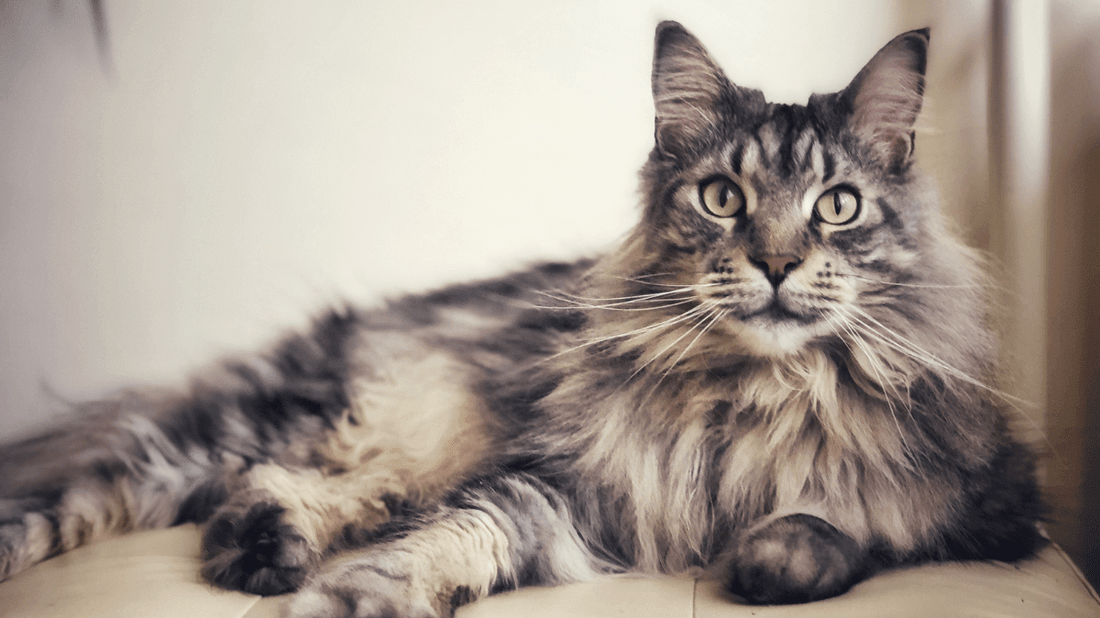
Ever met a cat that thinks it's a Golden Retriever? Welcome to the whimsical world of the Maine Coon. These massive fur-babies are Australia's favourite feline heavyweights, often tipping the scales at a sturdy 10kg. Known for their striking lynx-tipped ears and dog-like devotion, they bring a big presence to any home. Understanding Maine Coon Cat Breed Health and Care starts with appreciating their unique history. While they hail from the chilly woods of North America, the Maine Coon has found a warm place in Aussie hearts. They are the largest domesticated breed, requiring sturdy furniture and plenty of room to roam. If you have a busy household, these gentle giants fit right in with their calm and patient nature.
Key Traits of the Maine Coon Breed
- The Look: These cats look like they stepped out of a winter wonderland. They sport a thick, shaggy coat and tufted paws that act like natural snowshoes. Their iconic bushy tail is often as long as their entire body.
- Vocalisations: Don't expect a standard meow. Maine Coons prefer to chirp and trill at you like tiny, feathered friends. It is a delightful sound that makes every conversation feel special.
- Water Obsession: They have a quirky obsession with water. Don't be surprised if your 10kg friend tries to join you in the shower or splashes their water bowl across the kitchen floor.
Maintaining their health involves more than just brushing that plush coat. A healthy Maine Coon relies on a balanced internal ecosystem. Our Purrlys dental probiotic is designed to support both the oral and gut microbiome. These two systems are linked; a healthy mouth often leads to a happy tummy, ensuring your gentle giant stays vibrant from whisker to tail.
Is a Maine Coon Right for You?
Living with a Maine Coon is a 12 to 15 year commitment of pure joy. They stay playful and kitten-like well into their senior years, so get ready for daily games of fetch and "hide and seek." These social butterflies prefer being "near" you rather than being a traditional lap cat. They might follow you from room to room just to supervise your daily chores. Because they are so large, you'll need to invest in high-quality, heavy-duty scratchers that won't topple over under their weight. Providing the right Maine Coon Cat Breed Health and Care means preparing your home for a pet that is half-cat, half-lion, and all heart. It's a pawsome journey for any dedicated cat parent looking for a lifelong companion.
Maine Coon Health and Care: Navigating Breed-Specific Risks
Maine Coons may look like majestic lions of the living room, but even these strong, confident cats need thoughtful care behind all that fluff.
With their thick coats, tufted ears and gentle giant personalities, it is easy to assume they are naturally hardy. But like many pedigree breeds, Maine Coon cat breed health and care starts with being proactive — especially when it comes to inherited conditions.
In Australia, ethical Maine Coon breeders should prioritise health testing before kittens go to their new homes. If you are searching for a Maine Coon kitten, always ask to see DNA results or veterinary screening for conditions such as Hypertrophic Cardiomyopathy, or HCM, and Spinal Muscular Atrophy, or SMA. A responsible breeder will be open, transparent and happy to explain what the results mean.
Beyond genetics, regular vet care is essential. An annual whisker-to-tail check-up gives your vet the chance to monitor heart sounds, joints, weight, teeth and overall wellbeing before small changes become bigger concerns.
Because even the most magnificent cats still need gentle, consistent support to stay strong, comfortable and healthy for the long run.
Common Genetic Health Issues
These big beauties are prone to breed-specific health risks like Hypertrophic Cardiomyopathy (HCM), a condition where the heart walls thicken. Their substantial size, with some males reaching 11kg, also puts immense pressure on their skeletal structure. Hip dysplasia affects roughly 18% of Maine Coons, leading to a stiff gait or reluctance to jump. Watch for Spinal Muscular Atrophy (SMA) too; this nerve-related muscle weakness usually appears by 15 weeks of age. Keeping your giant lean is the best gift for their joints. Even a 500g weight gain can trigger inflammation in a large-frame cat, so keep the treats balanced with plenty of play.
The Overlooked Threat: Chronic Gingivitis
Many owners miss the signs of "stinky kitty kisses" until dental crowding leads to painful inflammation. Maine Coons are famously prone to red, angry gums and Maine Coon Cat Breed Health and Care must include a focus on oral hygiene. This isn't just a mouth issue. Bacteria from the mouth can travel through the bloodstream, potentially damaging the heart and kidneys. Our philosophy at Purrlys centers on the fact that the oral and gut microbiome are deeply linked. An imbalance in the digestive tract often manifests as poor dental health. You can support this delicate internal ecosystem with a whisker-friendly dental probiotic that targets both the mouth and the gut to keep your fur-baby purring with health.
The Gut-Mouth Connection: The Secret to a Healthy Maine Coon
Did you know your Maine Coon's mouth is a bustling city of tiny residents? Modern science reveals that a cat's mouth acts as the gateway to their entire internal ecosystem. When we discuss Maine Coon Cat Breed Health and Care, we often focus on those majestic coats or tufted ears, but the real magic happens deep within the microbiome. These "good bugs" work in a delicate harmony; when the mouth is healthy, the gut usually follows suit. It's a biological partnership that keeps your gentle giant purring from the inside out.
Understanding the Feline Microbiome
Think of the microbiome as a community of microscopic helpers living in your fur-baby. These beneficial bacteria manage everything from breaking down dinner to boosting the immune system. When an imbalance occurs in the gut, it often manifests as "dragon breath" or sudden dental decay. This link is vital because an unhealthy oral environment sends a constant stream of bad bacteria down to the digestive tract. Supporting health and wellness requires a holistic view of these two connected systems. Probiotics offer a purr-fect balance, helping to crowd out the "bad bugs" and keep teeth sparkling while supporting a happy, gurgle-free tummy.
Why Brushing Isn't Always the Answer
Let's be real for a moment. Wrestling a 10kg Maine Coon with a tiny toothbrush is often a recipe for scratched arms and a very grumpy cat. The struggle is genuine! Because Maine Coons are such large, powerful cats, a high-stress dental routine can damage the bond you share. This is why a "bottom-up" approach to dental health is so effective for the breed. Instead of daily battles, Purrlys Dental Probiotics offers a gentle, brush-free alternative that works with your cat's biology rather than against it.
The science of how Purrlys works is quite pawsome. By introducing specific beneficial strains, you colonise the mouth with protective bacteria that actively fight plaque and neutralise bad breath at the source. It's a chic, modern solution for Maine Coon Cat Breed Health and Care that avoids the 7:00 PM wrestling match. Here is why this method is whisker-approved:
- Zero Stress: No brushes, no pastes, and no grumpy glares from your fur-baby.
- Targeted Action: Beneficial bacteria reach the tiny nooks and crannies a brush might miss.
- Dual Benefit: It supports both oral freshness and a robust digestive system simultaneously.
- High Potency: Delivering billions of CFU (Colony Forming Units) ensures the "good bugs" win the battle against plaque.
Choosing a probiotic approach means you're treating the cause, not just the symptoms. It’s the smartest way to ensure your Maine Coon stays healthy, happy, and ready for those close-up head bumps.
Grooming and Nutrition: Managing the Floof and the Fangs
Living with a Maine Coon means embracing a life of majestic floof — and a little extra grooming commitment.
Their thick, layered coat is one of the breed’s most beautiful features, but it needs regular hands-on care to keep your cat comfortable. Consistent grooming is an important part of Maine Coon cat breed health and care, because without it, that gorgeous fur can quickly develop knots, mats and painful clumps.
A few calm grooming moments each day can make a big difference. Brushing helps remove loose hair, reduce shedding around the home, support healthy skin and give you the chance to check for tender spots, skin changes or hidden tangles beneath all that fluff.
Maine Coons may be large, confident cats, but they still rely on gentle, consistent care to feel their best. Think of grooming less as a chore and more as a bonding ritual — a quiet daily check-in that keeps your gentle giant comfortable, healthy and looking every bit as regal as they are.
The Maine Coon Grooming Guide
You'll need a toolkit built for a giant. An undercoat rake is your best friend for reaching the dense bottom layer, while a slicker brush keeps the topcoat silky. If you find a matt, don't reach for the scissors immediately. Hold the fur at the base to prevent pulling the skin and gently tease the tangle apart with your fingers or a wide-toothed comb. This "Daily Smile" routine is also the purr-fect time to check their teeth. A quick peek at their gums ensures their oral health stays on track while you bond.
- Undercoat Rake: Use this twice a week to prevent heavy shedding.
- Slicker Brush: Great for daily smoothing and removing loose surface hair.
- Mat Removal: Always work from the ends of the hair toward the skin.
Feeding Your Gentle Giant
A cat that can weigh up to 11kg needs serious fuel. These giants thrive on high-protein, low-filler diets that support their heavy muscle mass. While a standard moggy might only need 250 calories, a large Maine Coon often requires up to 70 calories per kilogram of body weight to maintain their sturdy frame. Look for recipes rich in Taurine for heart health and Omega-3 fatty acids for that signature shine. Because this breed can be prone to kidney issues, hydration is vital. Try adding a splash of water to their wet food or using a ceramic fountain to encourage more sipping.
To truly pamper your feline friend, think about their inner ecosystem. Adding a tasteless probiotic powder to their dinner is an effortless way to support their wellbeing. This supplement works on both the oral and gut microbiome simultaneously. These two systems are linked; a healthy mouth often leads to a balanced digestive tract. This holistic approach keeps your Maine Coon purring from the inside out. It's a simple addition that makes a massive difference in their long-term Maine Coon Cat Breed Health and Care.
A Purr-fect Daily Routine: Stress-Free Wellness for Your Cat
Living with a Maine Coon is like sharing your home with a fluffy, highly intelligent cloud.
These gentle giants thrive on calm routines, predictable rhythms and care that respects their sensitive nature. When it comes to Maine Coon cat breed health and care, you do not need every wellness task to feel clinical or stressful. The best routines are the ones your cat can relax into.
Maine Coons are social, clever cats, but they are not usually fans of forceful handling. Approach them with rushed “we have to do this now” energy, and they may disappear under the sofa before you even reach for the brush.
That is why the Purrlys® philosophy fits so naturally: wellness should feel like a moment of bonding, not a battle of wills.
The secret is to work with your Maine Coon’s personality, not against it. They often love being part of the family and may enjoy gentle interaction when it feels familiar, calm and safe. By weaving small health checks into everyday moments — grooming, playtime, mealtimes or quiet cuddle time — you make care feel like part of their normal rhythm.
Check their coat while you brush. Notice their weight and movement during play. Keep an eye on their teeth, gums and breath during daily routines. These small habits help you spot changes early, support long-term wellbeing and make proactive care feel simple.
Because for a Maine Coon, the best health routine is not forced. It is calm, consistent and built into the life they already love.
Implementing Stress-Free Dental Care
Forget the wrestling matches with a toothbrush. Maine Coons have delicate mouths, and many find traditional brushing quite intrusive. Our probiotic solution offers a "whisker-approved" alternative that even the fussiest fluff-ball will love. It's a simple three-step dance that fits into any morning:
- Step 1: Sprinkle. Dust the tasteless probiotic powder over their favourite wet food or kibble.
- Step 2: Eat. Your cat enjoys their meal as usual, blissfully unaware of the health boost.
- Step 3: Purr. The good bacteria get to work on their breath and belly immediately.
This method is effective because it targets the oral and gut microbiome simultaneously. These two systems are deeply linked; a healthy mouth supports a balanced belly, and a happy gut reflects in a sparkling smile. Check out our FAQ page for more tips on starting your probiotic journey.
The Long-Term Benefits of Holistic Care
Consistency saves more than just your cat's teeth; it saves your wallet. In Australia, a professional veterinary dental scaling under general anaesthesia typically costs between A$600 and A$1,500. By maintaining a daily probiotic routine, you significantly reduce the risk of plaque buildup and periodontal disease. This preventative approach keeps your Maine Coon Cat Breed Health and Care manageable and affordable over their 12 to 15-year lifespan.
Beyond the money, the quality of life improvement is immense. A cat with a healthy mouth and a thriving gut is naturally more playful, affectionate, and full of beans. You'll notice the difference in their energy levels and the sweetness of their morning wake-up calls. Join the Purrlys community and start your fur-baby's wellness journey today. There is nothing quite like the joy of a fresh-breathed head-bump from a happy, healthy giant.
Keep Your Gentle Giant Purring For Years To Come
Caring for your majestic Maine Coon is a rewarding journey filled with head-boops and fluffy cuddles. Mastering Maine Coon Cat Breed Health and Care means staying ahead of their unique needs, from managing that luxurious double coat to supporting their complex internal systems. It's vital to remember that a cat's health starts in the mouth. Research shows that 70% of a cat's immune system is located in the gut, making the link between the oral and gut microbiome a top priority for Aussie fur-parents. When you support one, you're boosting the other, ensuring your gentle giant stays vibrant and playful.
You don't need to struggle with a toothbrush to keep those fangs sparkling. Our formula was developed by Australian microbiome scientists using 100% human-grade ingredients. This vet-approved, tasteless powder is a pawsome way to balance your cat's internal ecosystem without any mealtime tantrums. It's the simplest way to protect your fur-baby's long-term wellness while keeping their breath fresh for those morning wake-up nuzzles.
Give your Maine Coon a 'Purr-fect' smile with our brush-free dental probiotics!
Your floofy companion deserves a life of luxury and health, and we're here to help you make every day a whisker-twitching delight.
Maine Coon Health and Care FAQs
Do Maine Coons have more health problems than other cat breeds?
Maine Coons are generally strong, sturdy cats, but their impressive size means they need a little extra support as they grow and age.
As one of the largest domestic cat breeds, Maine Coons can place more pressure on their joints than smaller cats. They may also be more prone to certain inherited conditions, including hip dysplasia and Hypertrophic Cardiomyopathy, or HCM, which is why proactive care matters.
Good Maine Coon cat breed health and care is not about worrying over every little thing. It is about building simple habits that help you notice changes early. Regular vet check-ups every 6 to 12 months can help your vet monitor their heart, joints, weight, teeth and overall wellbeing before small changes become bigger concerns.
For these gentle giants, prevention is one of the kindest forms of care. With the right routine, regular screening and daily support at home, your Maine Coon has the best chance of enjoying a long, comfortable and beautifully floofy life.
How often should I groom my Maine Coon to prevent matting?
You should brush your floofy friend at least three times a week to keep their coat smooth, comfortable and tangle-free.
Maine Coons have a thick, water-resistant coat that can mat easily if it is left too long, especially around the britches, underarms, chest and belly. These high-friction areas are where small knots can quickly turn into uncomfortable clumps.
A calm 10 to 15-minute grooming session every second day can make a big difference. It helps remove loose fur, supports healthy skin, reduces shedding around the home and gives you a chance to check for any tender spots, skin changes or hidden tangles beneath all that fluff.
For a Maine Coon, brushing is not just about keeping them looking majestic. It is part of keeping them comfortable, confident and healthy.
Is it really possible to clean my Maine Coon's teeth without brushing?
Yes — you can support your cat’s dental health without making brushing a daily battle.
For cats who refuse the toothbrush, water additives or oral supplements like Purrlys® can offer a simpler, lower-stress way to care for their mouth. Purrlys® works by helping balance the oral microbiome, while also supporting the gut microbiome — two closely connected systems that play an important role in your cat’s overall wellbeing.
This matters because oral health is not just about fresh breath. The mouth is the starting point of the digestive system, and bacteria from the mouth can travel further through the body. With many cats showing signs of dental disease by the age of three, building an easy daily routine early can help support healthier teeth, gums and long-term comfort.
Water additives may suit some cats, depending on the product and how much they drink. But for many cat parents, a tasteless, odourless powder mixed into wet food is a more reliable option.
Purrlys® makes daily oral care feel simple: no brushing, no wrestling, no stress — just microbiome support built into a routine your cat already loves.
What are the early signs of heart disease (HCM) in Maine Coons?
Hypertrophic Cardiomyopathy, or HCM, is one of the heart conditions Maine Coon owners should be aware of, especially because the breed can have an inherited risk.
Early signs can be subtle. Some cats may seem more tired than usual, breathe faster at rest, pant after light activity, or become less interested in play. A consistently elevated resting breathing rate can be a warning sign, so it is worth getting to know what is normal for your cat when they are relaxed or asleep.
If you notice your Maine Coon breathing heavily, panting, seeming unusually lethargic, or tiring quickly, it is best to book a vet check promptly. Your vet may recommend further testing, such as a heart ultrasound, to better understand what is happening.
The reassuring part is that proactive care makes a difference. Choosing an ethical breeder who screens for inherited conditions, keeping up with regular vet checks, and noticing small changes early can all help protect your gentle giant’s long-term wellbeing.
Can I give my Maine Coon human probiotics for their gut health?
You should avoid giving your cat human probiotics, because cats have very different digestive and microbiome needs to humans.
Human probiotic supplements are not formulated for feline biology and may contain strains, fillers, flavourings or sweeteners that are unsuitable for cats. Some ingredients can irritate a sensitive tummy, while others may be unsafe for pets altogether.
A feline-specific formula like Purrlys® is designed with cats in mind. It supports both the oral and gut microbiomes in one simple daily routine, helping to maintain the right bacterial balance where it matters most.
For Maine Coons, this kind of gentle, species-appropriate support fits beautifully into daily care. Their big, fluffy bodies still rely on tiny microbial ecosystems working well behind the scenes — supporting fresher breath, digestive balance and overall wellbeing from the inside out.
Why does my Maine Coon have such bad breath despite a good diet?
Bad breath is usually caused by an imbalance in the oral microbiome, which is often a reflection of their internal gut health. Since these two systems are biologically linked, a smelly mouth can be an early warning sign of digestive upset. About 70% of a cat's immune system resides in the gut, so keeping the microbiome balanced with a daily supplement can turn that "stinky breath" into a fresh, whisker-friendly nuzzle.
How much space does a Maine Coon cat actually need in a house?
A Maine Coon can thrive beautifully indoors, provided their home gives them enough space to stretch, climb and move comfortably.
These gentle giants are large, long-bodied cats, so they need more room than the average moggie to feel at ease. Think sturdy cat trees, wide scratching posts, roomy resting spots and at least a couple of safe climbing or lookout zones where they can survey the household like the royalty they are.
Because Maine Coons can be heavy and powerful, choose furniture and cat trees designed for larger breeds. Wobbly towers and tiny perches will not do. They need stable, generous spaces that support their size and confidence.
A larger litter tray is also important. Many Maine Coons do best with an oversized tray that gives them plenty of room to turn around comfortably, helping reduce stress and mess.
They do not need a sprawling backyard to be happy, but they do need enough indoor territory for play, movement and the occasional dramatic zoomie. With the right setup, your Maine Coon can enjoy a safe, enriched home that supports their body, mind and beautifully big personality — without sacrificing your chic décor.
Are Maine Coons prone to obesity and how can I prevent it?
Maine Coons may be big by nature, but even these gentle giants can carry extra weight if their food, treats and activity are not carefully balanced.
Because of their large frames, it can be easy to mistake excess weight for “just being a big cat”. But healthy size and extra kilos are not the same thing. Keeping your Maine Coon at a comfortable body condition is an important part of Maine Coon cat breed health and care, especially for supporting their joints, heart, mobility and long-term wellbeing.
A simple rule is to keep treats to no more than 10% of their daily calories and make the rest of their diet balanced, measured and appropriate for their age and activity level. Daily movement matters too. Around 20 minutes of active play each day can help keep their body strong and their mind engaged.
Think wand toys, gentle chase games, puzzle feeders and sturdy climbing spaces that suit their size. The goal is not to turn your Maine Coon into an athlete. It is to help them stay strong, comfortable and confident in that magnificent body.
Because a healthy Maine Coon is not just big and beautiful — they are mobile, playful, well-supported and able to enjoy life with ease.