Did you know that an estimated 1 in 230 kitties is affected by diabetes? When you first hear the words Cat's Diabetes, your mind might immediately jump to scary needles and endless vet visits. We understand that deep bond you share, and we want to help you support your cat's wellbeing alongside your vet's guidance.
Managing this condition is about much more than just sugar levels — it's about a holistic approach to your cat's vibrant life. We'll also explore the fascinating connection between the mouth and the belly. By supporting the oral microbiome with Purrlys, you may also be supporting the gut microbiome — these two systems are closely linked. Always work closely with your vet for any diagnosis or treatment plan.
Key Takeaways
- Spot the "water bowl warning" and other early signs of Cat's Diabetes — and always consult your vet for diagnosis.
- Explore the gut-mouth axis to understand why a healthy mouth may support overall wellness alongside medical management.
- Learn how Purrlys Cat Dental Probiotic may support both the oral and gut microbiomes as a daily wellness complement.
- Master the transition to a high-protein, low-carb diet — always under your vet's guidance.
Understanding Feline Diabetes: What is Happening Inside Your Kitty?
When your vet mentions Cat's Diabetes, they are saying the insulin delivery system has broken down — it is not a dead end, but it does require thoughtful management. For a deeper dive into the science, this Feline Diabetes Overview explains how these metabolic changes start and why they matter.
Type I vs. Type II: The Feline Difference
Type II is the most common form in cats, where the body still makes insulin but cells have become resistant. Research suggests that with early diagnosis and the right diet — under veterinary supervision — some cats may reach a point of improved stability. Certain breeds like Burmese cats in Australia show a higher genetic predisposition, so regular vet check-ups are especially important.
Why Weight and Age Matter
Overweight cats are significantly more likely to develop this condition. Managing Cat's Diabetes means looking at the whole picture. Since the oral and gut microbiomes are intrinsically linked, supporting your cat's mouth health with Purrlys may help support overall wellness alongside your vet's treatment plan.
Spotting the Signs: Common Symptoms of Cat Diabetes
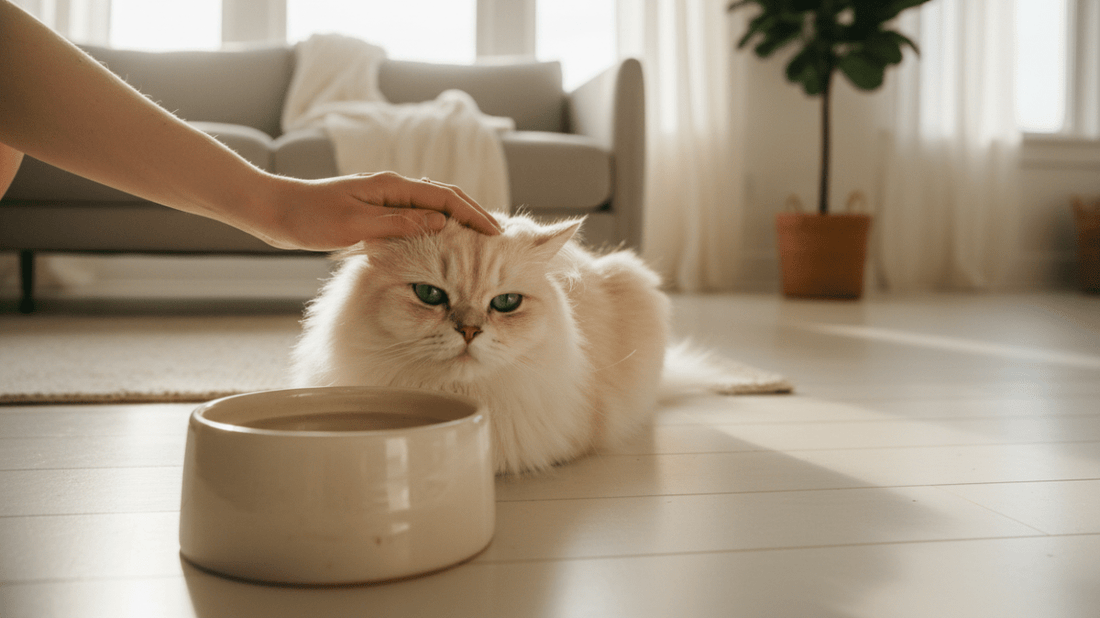
An empty water bowl that needs constant refilling is often the first "Water Bowl Warning" for Cat's Diabetes. You may also notice more frequent litter box visits, weight loss despite a ravenous appetite, or a "plantigrade" stance where your cat walks flat on their back hocks. If you notice any of these signs, please consult your vet promptly — only a vet can diagnose and manage diabetes. For a deeper look, the Cornell Feline Health Center offers excellent clinical insights.
The Subtle Behavioural Shifts
A dull coat, reduced interest in play, or sleeping in unusual spots can all be early signs. Catching these quiet changes early and consulting your vet promptly can lead to a much better outcome.
When to Call the Vet
If you notice vomiting, extreme weakness, or a strange fruity smell on their breath, call your vet immediately — these can be signs of Ketoacidosis (DKA), a serious complication requiring urgent care. While your vet manages the clinical side, supporting your cat's overall daily wellness with Purrlys may help support the oral-gut axis as a daily complement — not a treatment for diabetes.
The Gut-Mouth Axis: A Surprising Factor in Diabetic Management
The mouth is the gateway to the rest of the body, and the oral and gut microbiomes are intrinsically linked. Poor dental health can contribute to systemic inflammation, which may affect overall wellness. You can find more details in this guide on Cat Diabetes Symptoms and Treatment. By supporting mouth health, you may be helping the rest of the body stay in better balance — always alongside your vet's prescribed treatment.
Inflammation: The Hidden Enemy of Wellness
Bacteria from the mouth don't just stay there — they are swallowed and may disrupt the delicate bacterial balance in the gut. A balanced microbiome may support feline immunity and overall health. When the gut is supported, the body may process nutrients more efficiently — a helpful complement for any kitty navigating Cat's Diabetes under vet care.
A Holistic Approach to the "Sweet Life"
Managing your best friend's health means looking beyond the food bowl. Using a gentle, brush-free dental support like Purrlys is a stress-free way to help support the microbiome as a daily wellness habit. Learn more about how Purrlys supports the gut-mouth connection — always alongside your vet's care plan.
Managing the Sweet Life: A Step-by-Step Care Guide
Managing Cat's Diabetes is about finding a consistent routine that works for both you and your cat — always guided by your vet.
- Step 1: Establish a Routine. Whether your vet prescribes insulin or oral medications, timing is everything. Always follow your vet's instructions precisely.
- Step 2: Focus on Nutrition. Move toward a high-protein, low-carbohydrate menu under your vet's guidance. The right balance may help prevent sugar spikes after mealtime.
- Step 3: Embrace Home Monitoring. Simple urine strips and modern glucose meters can help you track levels at home — your vet can advise on the best approach for your cat.
- Step 4: Create a Sanctuary. Stress triggers cortisol, which can raise blood sugar. A calm environment supports a more stable cat.
- Step 5: Partner with Your Vet. Schedule regular check-ups. Your vet will help you adjust dosages as your kitty's weight or health shifts over time.
Dietary Dos and Don'ts
Wet food naturally contains more moisture and fewer carbohydrates than dry kibble. Always consult your vet before making dietary changes for a diabetic cat. For more tips, explore our Purrlys Cat Dental Probiotic and how it supports daily wellness.
The Goal of Improved Stability
Some cats may achieve improved stability or reduced medication needs with early, consistent management — always under veterinary supervision. Supporting their overall wellness is key. Purrlys supports the oral and gut microbiome as a daily wellness complement — not a treatment for diabetes, and not a replacement for veterinary care. Explore our Purrlys Dental Probiotic today.
Supporting Your Diabetic Best Friend with Purrlys
Purrlys is a gentle, vet-approved way to support that vital oral-gut axis. This Australian-made formula was developed by microbiome scientists who understand that a happy cat starts with a balanced internal ecosystem. It is about more than just fresh breath — it's about supporting daily wellness alongside your vet's care plan.
Plaque and tartar are breeding grounds for bacteria that may contribute to systemic inflammation. By supporting oral health, Purrlys may help support a healthier internal environment as a daily wellness complement — not a treatment for diabetes.
Why Probiotics May Be a Helpful Addition
We use human-grade ingredients that are kind to your kitty's delicate internal balance. It is a completely tasteless powder — simply sprinkle it onto their favourite high-protein wet food. Shop Purrlys Dental Probiotic to see how easy holistic daily support can be.
Keeping Stress Low
Our NSW-based scientific team designed this formula to be brush-free because keeping stress levels low is a priority for any cat's wellbeing. A calm, consistent routine — guided by your vet — gives your kitty the best foundation for a happy, healthy life. Order Purrlys today and join our community of dedicated pet parents who value both science and snuggles.
Stepping into a Brighter, Healthier Future
Managing Cat's Diabetes is a journey of love and consistency — always with your vet at the centre of your cat's care. Because the oral and gut microbiomes are linked, supporting that gut-mouth axis daily may be a helpful wellness complement alongside your vet's treatment plan. Our formula was developed by Australian microbiome scientists using vet-approved, human-grade ingredients. Support your cat's microbiome with Purrlys® Dental Probiotic today.
Frequently Asked Questions
How long can a cat live with diabetes if managed properly?
With proper management under veterinary guidance, many cats with Cat's Diabetes live full and happy lives into their senior years. Every kitty is unique — your vet is best placed to advise on your cat's individual prognosis.
Can feline diabetes go into remission?
Some cats may achieve improved stability or reduced medication needs with early, consistent management under veterinary supervision. This is not guaranteed and depends on the individual cat — always follow your vet's guidance.
What is the best food for a diabetic cat in Australia?
A high-protein, low-carbohydrate wet food is generally recommended — but always consult your local Aussie vet for specific dietary advice tailored to your cat's needs.
Is it hard to give a cat insulin injections every day?
Most cats adapt well to the routine. Your vet can show you the correct technique to make the process as stress-free as possible for both of you.
Can I give my diabetic cat dental probiotics?
Always check with your vet before introducing any new supplement. Purrlys is a tasteless, sugar-free powder that may support both the oral and gut microbiomes as a daily wellness complement — not a treatment for diabetes.
What happens if I miss an insulin dose for my cat?
Never give a double dose. Call your vet for guidance based on your cat's specific routine. Keeping a simple logbook can help you stay on track.
How much does it cost to manage a diabetic cat annually?
Costs vary depending on medication, food, and monitoring supplies. Your vet can help you plan for ongoing care. Investing in preventative wellness support may help reduce the risk of complications over time.
Are certain breeds in Australia more prone to diabetes?
Burmese cats in Australia have a notably higher genetic risk. Siamese and Abyssinians also appear more frequently in clinical data. Regular vet screening for these breeds is especially recommended.