Is there anything more frustrating than the delicate sniff, the disdainful flick of a tail, and the sight of your cat walking away from a freshly filled bowl? We hear you. That sinking feeling as you toss out yet another expensive meal, the constant worry about their health, and the mealtime stress that ruins an otherwise purr-fectly lovely day. You’re not just wasting money on uneaten food; you’re losing precious peace of mind, wondering if your fur-baby is truly thriving.
Well, it’s time to say goodbye to the dinner-time drama! Consider this your ultimate guide to understanding your discerning little diner. We’ve gathered the most effective, vet-approved picky eater cat solutions to help our fellow Aussie cat parents turn mealtimes from a battle of wills into a moment of blissful munching. Together, we’ll uncover the root cause of their fussiness, explore whisker-twitchingly good food options, and restore harmony to your home. Get ready for happy purrs and empty bowls!
Key Takeaways
-
First, learn the crucial signs that distinguish a genuinely fussy feline from a sick kitty. A quick chat with your Aussie vet is the most important first step.
-
Create a five-star dining experience by making simple but powerful tweaks to your cat's feeding station, from bowl choice to location.
-
Discover why texture and temperature are often more important than flavour, and learn simple tricks to make any meal more tempting.
-
Turn frustrating mealtimes into a fun game with our vet-approved behavioural tips and picky eater cat solutions that tap into their natural instincts.
Table of Contents
First Things First: Is Your Cat Picky or Feeling Poorly?
Is your fur-baby suddenly turning their nose up at their favourite salmon pâté? We’ve all been there! Before you dive into the world of gourmet cat food and fancy feeding bowls, it’s crucial to ask one important question: is my cat being fussy, or are they trying to tell me something’s wrong? Our feline friends are notorious for hiding discomfort-it’s a survival instinct left over from their wild ancestors. A sudden loss of appetite is one of their biggest tells, so the most important of all picky eater cat solutions is to first rule out a health concern.
Never ignore it when your kitty goes on a hunger strike. A quick chat with your local vet can provide peace of mind and get you on the right track to a happy, munching cat.
Common Health Culprits Behind a Lost Appetite
Sometimes, a turned-up nose has nothing to do with taste. A number of underlying issues could be making mealtime a miserable experience for your kitty. A deep dive into understanding cat behaviour can help you spot when something is truly amiss. Keep an eye out for these common culprits:
-
Dental Woes: Ouch! Painful teeth, sore gums, or other mouth issues can make even the softest food feel like a chore to chew. A stinky breath usually means there are some dental problems.
-
Tummy Troubles: Just like us, nausea, indigestion, or other gastrointestinal upsets can completely kill a cat's desire to eat.
-
Blocked Nose: Cats rely heavily on their sense of smell to stimulate their appetite. If a respiratory infection has them all stuffed up, their food might as well be cardboard.
-
Stress & Anxiety: A new pet, a recent move, or even rearranging the furniture can cause stress that manifests as a loss of appetite.
Your 'When to Call the Vet' Checklist
Wondering if it's time to make that call? If you notice any of the following, it’s always best to get a professional opinion. Don't wait and wonder-your vet is your best partner in finding effective picky eater cat solutions when health is a factor.
-
Your cat hasn't eaten anything at all for 24 hours.
-
The appetite loss is accompanied by other symptoms like vomiting, diarrhoea, hiding, or lethargy.
-
You've noticed sudden or significant weight loss.
-
Your cat approaches their bowl, but seems to be in pain or has difficulty chewing or swallowing.
The Paw-fect Dining Experience: Simple Environmental Fixes
Ever feel like you’ve tried every gourmet cat food brand in Australia, only to be met with a sniff and a tail flick? Before you declare your kitty the ultimate food critic, let’s look beyond the bowl. A cat's dining environment is just as crucial as what’s on the menu. While understanding the foundations of proper nutrition for your cat is vital, sometimes the most effective picky eater cat solutions involve creating a five-star dining atmosphere. These creatures of habit are incredibly sensitive, and a few simple tweaks can turn mealtime from a stressful standoff into a purr-fectly pleasant experience.
Beating 'Whisker Fatigue': Choosing the Right Bowl
Is your cat’s bowl causing a fuss? It might be! ‘Whisker fatigue’ happens when a cat’s highly sensitive whiskers repeatedly brush against the sides of a deep bowl, causing sensory overload and stress. Ouch! The fix is simple: switch to a wide, shallow dish or plate that keeps their whiskers free. Opt for ceramic or stainless steel, as they don't hold onto old food smells and bacteria like plastic can. And remember, a fresh, clean bowl for every meal is non-negotiable for our discerning fur-babies.
Location, Location, Location: Where to Serve Dinner
Think of it as choosing a table at their favourite café. Would you want to eat next to a noisy kitchen or the loo? Neither would your cat! Create a serene dining spot by following these simple rules:
-
Find the Quiet Zone: Serve meals in a calm, low-traffic area where they won’t be startled by foot traffic or loud noises.
-
Respect Their Space: Keep food and water bowls far, far away from the litter box. Cats are instinctively wired to avoid eating near their toilet area.
-
Offer a Vantage Point: Cats feel safest when they can see what’s coming. A spot where they can view their surroundings while eating is ideal.
-
Stay Consistent: Once you find a spot that works, stick with it to build a comforting, reliable routine.
Peaceful Mealtimes in Multi-Cat Homes
In a home with more than one feline, mealtime can sometimes feel like a competition. A more dominant cat might be subtly (or not-so-subtly) intimidating another, causing them to avoid their food out of stress. Ensure every kitty feels safe by providing separate feeding stations. This could mean feeding them in different rooms, on different levels (one on the floor, one on a cat tree, table or bench), or using a visual barrier so they can’t see each other. This simple change is one of the most powerful picky eater cat solutions for multi-cat families.
Cracking the Feline Flavour Code: Smart Food Strategies
Ready to play food detective? Let's dive into the bowl and figure out what truly tempts those tiny taste buds. You might be surprised to learn that for many cats, it's not just about flavour! Their wild instincts mean they're often more concerned with texture, temperature, and aroma. Creating a positive mealtime routine is one of the most effective picky eater cat solutions because it supports their behavioural well-being and makes them feel secure. The goal is to focus on a high-quality, meat-based diet that mimics their natural prey, not to fall into the 'variety trap' of constantly switching foods, which can create even more fussiness.
Wet vs. Dry: Finding Their Preferred Texture
Is your kitty a crunch-a-holic or a gravy connoisseur? Many fussy felines are drawn to the strong aroma and high moisture content of wet food, which is fantastic for their hydration. Don't be afraid to experiment with different forms to find their favourite! Try a silky smooth pâté, delicate shreds, or hearty chunks in gravy. If your fur-baby is firmly in the kibble camp, try adding a splash of warm water to soften it and release more of its meaty scent. A mixed diet can also be a purr-fect compromise.
The Temperature Trick: A Simple Game-Changer
Here’s a secret straight from their inner tiger: cats prefer their food served at "mouse body temperature"-around 38°C. Cold food straight from the fridge can be a major turn-off. You don't need a thermometer, though! Simply add a little warm (not too hot) water to their refrigerated wet food and give it a good stir. This simple step takes seconds but dramatically enhances the food's aroma, making it far more appealing. Important: If you microwave your cat's food, ensure it's for no more than 10 seconds and you stir the food thoroughly, as it can create dangerous hot spots that could burn their mouth. To be sure, test the temperature with the back of your finger.
Note: If you are adding dental probiotics, make sure the food is only lukewarm as probiotics are living organisms that don't survive in high temperatures.
Introducing New Foods Without a Feline Freak-out
Found a new food you think they'll love? Amazing! But hold your horses before you do a complete swap. A sudden change can upset their tummy and their routine. The key to success is a slow and steady transition over 7-10 days. Patience is one of the most important tools in your toolkit of picky eater cat solutions.
-
Start Small: Begin by mixing a tiny amount of the new food (about 10%) with their current food.
-
Go Slow: Every couple of days, gradually increase the amount of new food while decreasing the old.
-
Watch and Wait: Pay attention to their reaction. If they hesitate, just slow the process down. Never force it!
Making mealtime a calm, positive experience is half the battle. And serving it all up in a chic, whisker-friendly bowl from purrlys.com.au makes the dining experience truly pawsome!
Gentle Nudges: Behavioural Tips to Encourage Eating
Sometimes, the secret to a happy diner isn’t just what’s in the bowl, but the entire dining experience. Tapping into your cat’s natural instincts and creating a positive, predictable mealtime can make all the difference. For our discerning feline friends, how you serve dinner can be just as important as what you serve. A little patience and creativity are key ingredients in our toolkit of picky eater cat solutions.
The Power of a Predictable Routine
Cats are creatures of habit who thrive on predictability. An all-day buffet, also known as free-feeding, can actually encourage fussiness by teaching them they can graze whenever they please. Instead, create a structured schedule to build anticipation for meals.
-
Set Meal Times: Offer food at the same two or three times each day. Consistency is your best friend!
-
The 20-Minute Rule: Remove any uneaten food after 20-30 minutes. This teaches your fur-baby that food is a special event, not a permanent fixture.
-
Create a Calm Space: Feed your cat in a quiet, low-traffic area away from their litter box to make mealtime a stress-free experience.
Rethinking Treats: Are They Ruining Dinner?
We all love to spoil our kitties, but are those extra treats accidentally sabotaging their appetite? If your cat is filling up on high-calorie snacks between meals, they’ll have little reason to be hungry for their main course. Think of treats as a special indulgence, not a meal replacement. As a rule of thumb, treats should make up less than 10% of their total daily calorie intake. Use them for rewarding good behaviour or for special bonding moments, not as a pre-dinner appetiser.
Adding Goodness Without the Fuss
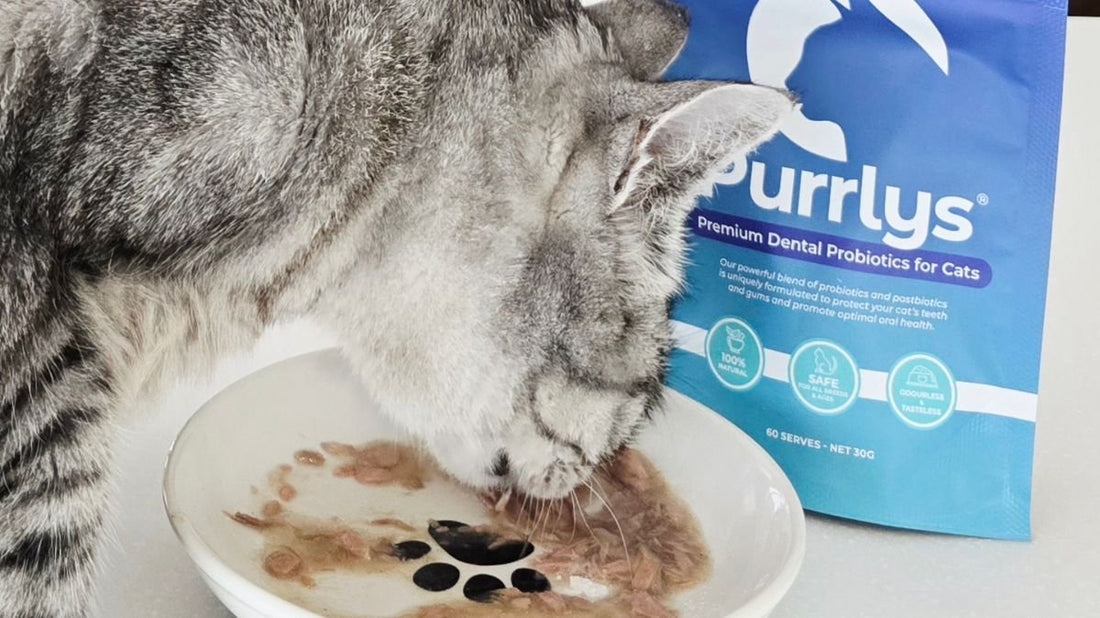
Hooray! You’ve finally found a food your fussy eater adores. The last thing you want to do is change it. But what if you want to boost their diet with extra supplements without triggering their sensitive palate? This is where finding clever picky eater cat solutions comes in handy. A high-quality, tasteless powder supplement is the purr-fect answer. You can mix it in their favourite wet or dry food, and they’ll get all the health benefits without a hint of a new taste or smell. It’s a whisker-approved way to sneak in extra goodness. Discover Purrlys, the tasteless powder that picky cats won't even notice.
Your Purr-fect Path to a Happy Eater
Navigating your fur-baby's fussy habits is a journey, not a race. Remember, the key is to first rule out any health concerns and then create a calm, whisker-friendly dining space. By patiently exploring different food strategies and offering gentle encouragement, you're on the right track to finding the best picky eater cat solutions for your unique companion. It’s all about understanding their inner tiger!
Found a food they'll finally eat? Pawsome! Now you can boost their health without changing a single thing about their favourite meal. Simply sprinkle and mix in our odourless and tasteless dental probiotic. Developed by Australian microbiome scientists, our vet-approved formula is a completely tasteless and odourless powder. Your kitty gets a dental health boost, and you get the peace of mind knowing you're supporting their wellbeing without upsetting their discerning palate.
Here's to happy, healthy mealtimes and a chorus of contented purrs. You've got this!
Frequently Asked Questions About Your Picky Eater
Why did my cat suddenly stop eating their favourite food?
Oh, the great feline mystery! Sometimes, it's a simple case of "flavour fatigue"-your kitty is just bored with the same old dish. It could also be a sneaky recipe change from the manufacturer that their sensitive nose has detected. However, a sudden refusal to eat can also signal dental pain or an underlying health issue. If the hunger strike lasts more than a day, a chat with your vet is a purr-fectly wise idea.
How long can a cat safely go without eating?
This is a super important one, cat parents! A cat should never go more than 24-48 hours without food. Unlike other pets, cats can quickly develop a serious liver condition called hepatic lipidosis when they stop eating. This is especially risky for our chonkier fur-babies. If your kitty has skipped meals for a full day, please call your local Australian vet clinic for advice immediately. Early intervention is crucial for a positive outcome. It's always better to be safe!
Is it okay to just leave dry food out for my cat all day?
While "free-feeding" seems convenient, it can be a bit of a problem for some. It often leads to overeating and can make it difficult to notice changes in appetite, a key health indicator. For a fussy feline, kibble left out all day can also become stale and unappealing. We recommend switching to scheduled meal times. An automatic dry food feeder is a great option if you need to leave your cat alone while you are at work. This keeps their food fresh, exciting, and helps you monitor their health like a pro!
Are homemade diets a good solution for a picky eater cat?
It’s a loving thought, but crafting a homemade diet is incredibly tricky. Cats have very specific needs for nutrients like taurine and arachidonic acid, and an imbalance can cause serious health problems. If you’re set on this path, it is absolutely essential to work with a veterinary nutritionist in Australia to create a complete and balanced recipe. This isn't a simple case of just cooking up some chicken for your little carnivore.
Can I add a food topper to make my cat's food more appealing?
You bet! Food toppers and mix-ins can be fantastic picky eater cat solutions. A sprinkle of freeze-dried salmon, a tiny bit of warm water to create a gravy, or a dollop of a special cat-friendly broth can work wonders. Just remember the 10% rule: toppers and treats shouldn't make up more than 10% of their daily calories to keep their main diet nutritionally balanced. It's an easy way to add a little sparkle to their bowl!
My cat only licks the gravy off their wet food. What should I do?
Ah, the classic gravy-slurper! This is a common kitty quirk. You can outsmart them by switching to a pâté or mousse-style food where the flavour is blended throughout. Another pawsome trick is to take their regular chunky food and mash the solids into the gravy with a fork, creating a more uniform texture. Gently warming the food can also enhance the aroma of the meat, making the whole meal irresistible.