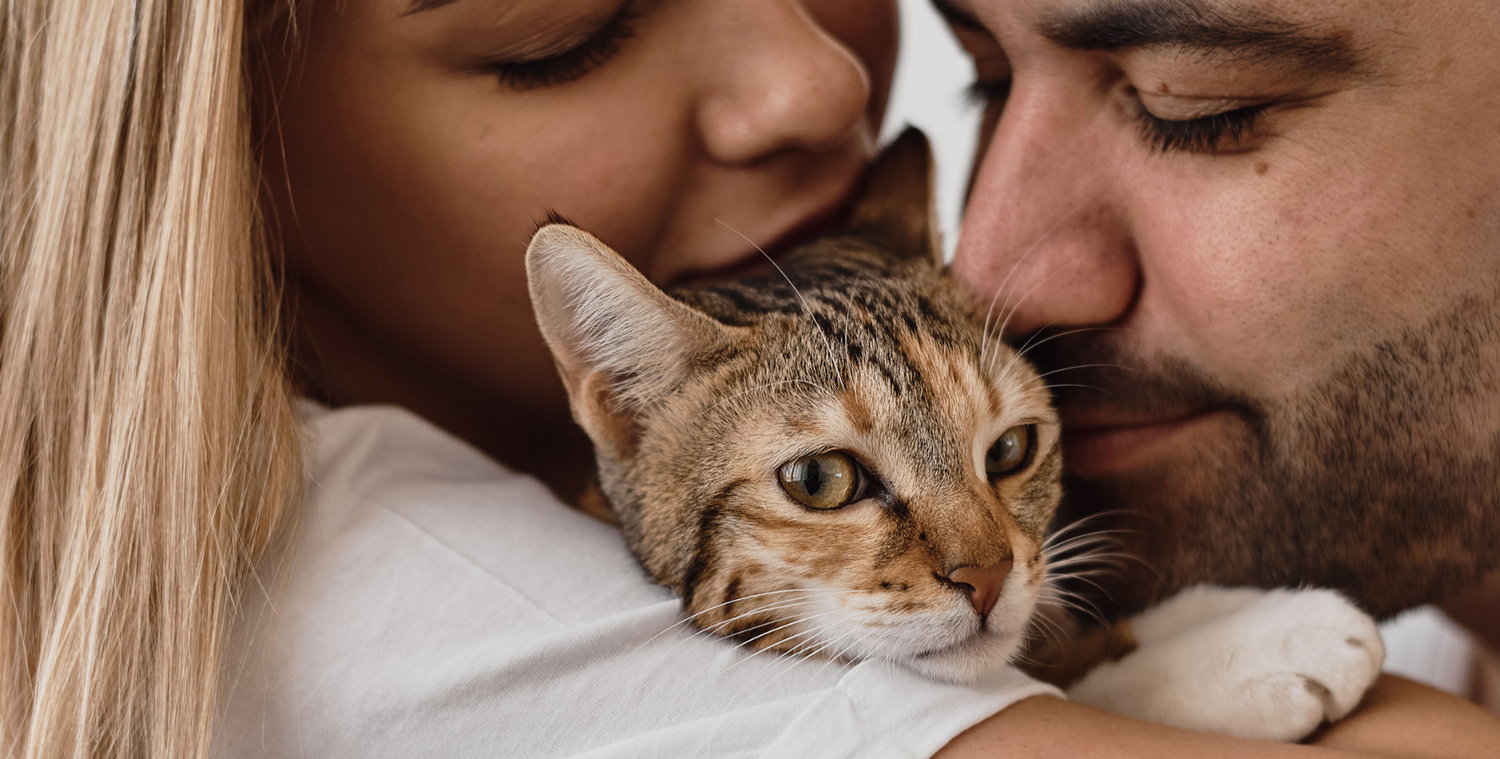
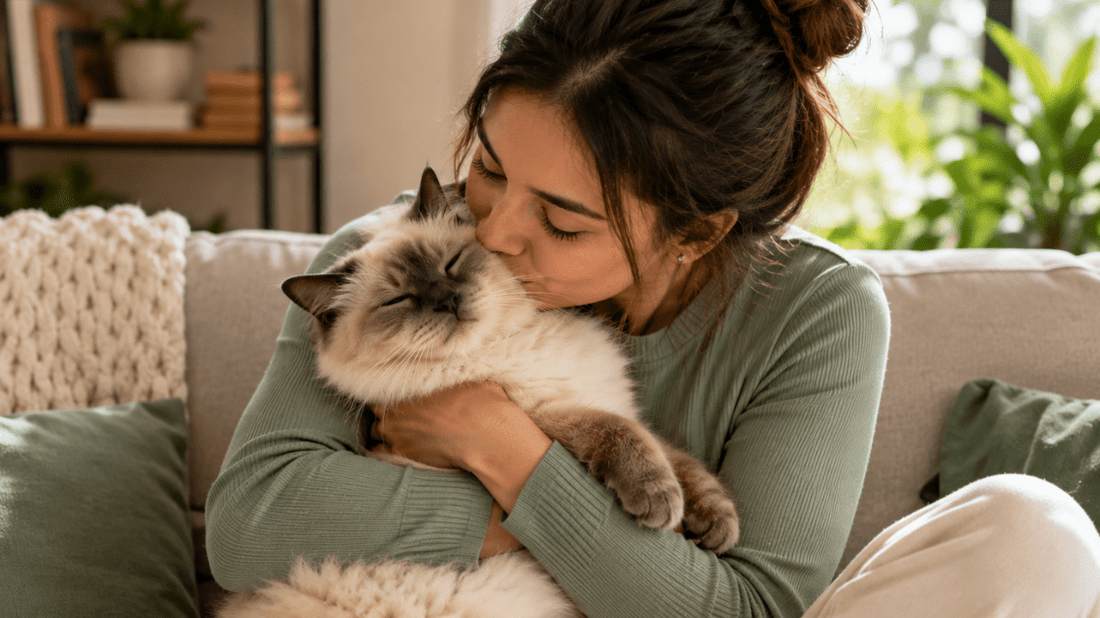
You're settled in for the evening when your cat leans in for a cuddle — and you're met with a scent that belongs in a fish market, not your living room. If your cat bad breath smells like fish, it's a common concern, and it's rarely just about what they ate for dinner. Persistent fishy breath is often a signal that something is out of balance in your cat's oral or gut microbiome.
The good news: you don't need to wrestle your cat with a toothbrush to fix it. This article explains the most common causes of fishy cat breath, when to be concerned, and how a science-backed, brush-free approach can restore balance — and your cuddle sessions.
Key Takeaways
- There's a meaningful difference between post-meal breath and chronic fishy odour — knowing which you're dealing with helps you respond appropriately.
- When your cat bad breath smells like fish, the cause is often bacterial imbalance in the oral or gut microbiome, not just diet.
- The mouth and gut are a continuous system — supporting both is more effective than treating either in isolation.
- Brush-free dental probiotics developed by Australian scientists offer a practical, low-stress alternative to traditional dental care.
- A consistent daily probiotic routine can restore oral balance and reduce odour from the inside out.
Why Does My Cat's Breath Smell Like Fish? Common Culprits
If your cat bad breath smells like fish, the most immediate explanation is diet. Many high-quality cat foods use fish-based proteins — salmon, tuna, whitefish — that leave potent oils in the mouth long after eating. Over time, these residues can shift the balance of the oral microbiome, creating conditions where odour-causing bacteria thrive. It's not just about what goes in; it's about how the mouth and gut interact to process it. You can read more about this on our how it works page.
Beyond diet, the more common driver of persistent fishy breath is bacterial imbalance. Food particles and saliva combine to form a biofilm on the teeth where odour-producing microbes accumulate. When the "good" bacteria in the oral microbiome are outnumbered, that biofilm becomes a source of chronic bad breath that diet changes alone won't resolve.
Is Fishy Breath Ever Normal for Cats?
A mild scent immediately after a fish-based meal is expected. Chronic, strong odour is not. If the smell is persistent and noticeable at close range, it's typically a sign of microbial imbalance rather than just diet. For a broader overview of cat health, persistent bad breath is often one of the earliest indicators of dental disease. When your cat bad breath smells like fish every day regardless of what they've eaten, it's worth looking beyond the food bowl.
The Grooming Factor
If the fishy smell appears suddenly, it may not be coming from the mouth at all. Cats have anal glands that produce a strong, oily, fishy-smelling secretion. During grooming, this scent can transfer to the tongue and fur. This is usually a one-off event. If it's happening regularly, it may indicate that the digestive system needs support — which makes sense, given that the mouth and gut are part of the same continuous biological system.
The Gut-Mouth Connection: The Science of Feline Halitosis
The digestive tract runs continuously from the mouth to the end of the gut. When your cat bad breath smells like fish, it's tempting to focus only on the teeth — but the mouth is the entry point to a much larger system. Health in one area directly influences the other. A gut that's out of balance can send signals back up through the digestive tract, contributing to breath odour that originates well below the gum line.
Why the Oral Microbiome Matters
The oral microbiome is a complex ecosystem of microorganisms that, in a healthy cat, maintain a relatively neutral environment. When the balance shifts, odour-causing bacteria produce Volatile Sulfur Compounds (VSCs) as a metabolic byproduct — these are the compounds responsible for that characteristic fishy or rotten smell. Restoring the balance of beneficial bacteria is the most effective way to reduce VSC production and improve breath at the source.
How Gut Health Influences Breath
Periodontal disease is frequently cited as the leading cause of bad breath in cats, but gut health plays a significant supporting role. Digestive imbalance can lead to gas production and slower gut motility, with odours escaping through the oesophagus and mouth. This is why addressing only the teeth often produces limited, short-term results.
Introducing high-quality probiotics to both the oral and gut environment helps crowd out odour-producing microbes across the full system. You can learn more about how Purrlys works to support this dual-system approach. When both the mouth and gut are in balance, the underlying cause of fishy breath is addressed — not just masked.
Fishy Breath vs. Serious Health Concerns: When to Worry
Fishy breath is usually a microbiome issue, but it can occasionally signal something more serious. If your cat bad breath smells like fish and is accompanied by excessive drooling, pawing at the mouth, or reluctance to eat hard food, your cat may be in pain. These signs often point to advanced dental disease that requires professional assessment before a probiotic routine can be effective.
Spotting the Signs of Dental Disease
Gently check your cat's gums — healthy gums should be a soft, pale pink. A bright red line at the gum line indicates inflammation. Yellow or brown deposits on the back teeth are tartar, which acts as a reservoir for odour-causing bacteria. Chronic gum inflammation also places ongoing stress on the immune system, making it harder for the body to maintain microbiome balance. This is why persistent fishy odour is difficult to resolve with diet changes alone.
Non-Dental Medical Causes
Sometimes breath changes reflect systemic health issues rather than dental ones. Because the oral and gut microbiomes are closely linked, internal imbalances often surface through breath. An ammonia or urine-like smell can indicate kidney disease; a sweet or fruity odour may suggest diabetes; a deeply foul smell can point to liver issues. These are metabolic waste products the body is failing to filter correctly.
Knowing when to see a vet is especially important for senior cats, who are more prone to these conditions. If fishy breath is accompanied by weight loss, increased thirst, or changes in litter box habits, a vet visit is the right first step. Probiotic support works best as a preventative and maintenance tool once underlying medical issues have been ruled out.
How to Treat Cat Bad Breath Without the Stress of Brushing
Daily toothbrushing is the traditional recommendation, but for most cats — and most cat owners — it's not a realistic long-term habit. The stress it creates for both parties can outweigh the benefit. Fortunately, there are effective, brush-free alternatives that address the reasons your cat bad breath smells like fish at the microbiome level, rather than just at the surface.
When choosing a dental supplement, look for human-grade ingredients in a tasteless, odourless format. Cats are sensitive to unfamiliar smells and textures in their food — a product they can't detect is one they'll actually consume consistently. Consistency is what drives results.
The Role of Dental Probiotics
Dental probiotics introduce beneficial bacteria that colonise the mouth and disrupt the biofilm where odour-causing microbes accumulate. Because the oral and gut systems are connected, this approach supports your cat's health across the full digestive tract. You can explore how Purrlys works to see the science behind this dual-action approach. It creates conditions where freshness is maintained naturally, without physical scrubbing.
Daily Habits That Support Oral Health
Small, consistent changes make a meaningful difference over time. A few practical steps:
- Switch to stainless steel or ceramic bowls: Plastic bowls harbour bacteria that can contribute to oral imbalance.
- Consider food texture: A mix of wet and dry food supports hydration and some mechanical cleaning, particularly when the microbiome is well-supported.
- Use a tasteless probiotic powder daily: The easiest habit to maintain because your cat won't detect it in their food.
If your cat bad breath smells like fish, the goal is to shift the bacterial balance in their mouth without the stress of a toothbrush. Order Purrlys Dental Probiotic to start your cat's microbiome support today.
Purrlys: The Aussie Solution for Fresher Cat Breath
When your cat bad breath smells like fish, the most effective response is one that addresses both the oral and gut microbiome together. Purrlys was developed by Australian microbiome scientists specifically for this purpose — a dual-action formula that targets the biological link between these two systems, rather than masking odour at the surface.
Because Purrlys is completely tasteless and odourless, it's practical for even the most selective eaters. There's no flavour to detect, no texture to reject — just a daily sprinkle that works quietly in the background to restore microbiome balance and reduce the conditions that cause persistent bad breath.
Made in Australia
Every batch of Purrlys Dental Probiotic is made using high-quality, human-grade ingredients developed in NSW. We believe cats deserve the same standard of care we apply to our own health. That commitment to ingredient quality and local scientific expertise is what makes Purrlys a reliable choice for Australian cat owners who want results they can trust.
What Australian Cat Owners Are Seeing
Cat owners using Purrlys consistently report meaningful improvements in breath within two to four weeks — without the stress of brushing or the cost of frequent dental cleanings. By targeting the linked systems of the mouth and gut, the results are more comprehensive and longer-lasting than surface-level approaches. If you have questions about integrating Purrlys into your cat's routine, visit the Purrlys FAQ for guidance. Your cat's path to fresher breath starts with a single daily scoop.
Ready to Restore Fresh, Comfortable Closeness with Your Cat?
When your cat bad breath smells like fish, it's a signal worth taking seriously — but it doesn't have to mean expensive vet bills or daily toothbrushing battles. By supporting the linked systems of the mouth and gut with a consistent probiotic routine, you address the root cause of the odour rather than managing symptoms.
Purrlys is a vet-approved, tasteless powder developed by Australian microbiome scientists to fit seamlessly into your cat's daily routine. It's a practical, science-backed approach to long-term feline oral health. Shop Purrlys Dental Probiotic and start seeing the difference in your cat's breath and comfort.
Frequently Asked Questions
Is it normal for my cat's breath to smell like fish?
A mild scent immediately after a fish-based meal is expected. Persistent, strong fishy odour is not. When your cat bad breath smells like fish consistently, it typically indicates that odour-causing bacteria have disrupted the balance of the oral or gut microbiome — not just a dietary residue.
Can I use dog probiotics for my cat's bad breath?
No. Cats have a distinct biological makeup and specific nutritional requirements. Bacterial strains suited to dogs may not be effective or appropriate for feline systems. Always choose a product formulated specifically for cats to ensure the right microbial support.
How long does it take for probiotics to fix cat breath?
Most cat owners notice a meaningful improvement within two to four weeks of consistent daily use. This allows time for beneficial bacteria to colonise the mouth and gut and begin outcompeting odour-producing microbes. Individual results vary depending on the severity of the imbalance.
What if my cat is a picky eater and won't take supplements?
Purrlys is formulated to be completely tasteless and odourless, so it can be sprinkled directly onto wet or dry food without detection. This makes consistent daily use practical even for selective eaters, without the stress of forced administration.
Do I still need to see a vet if my cat's breath improves?
Yes. Regular veterinary checkups remain important even when breath improves. Probiotics are an effective preventative and maintenance tool, but they don't replace professional assessment for physical dental damage or underlying health conditions. Routine visits ensure your cat's oral health is progressing well over time.
How often should I give my cat dental probiotics?
Once daily is the recommended frequency. Consistency is what maintains the balance of beneficial bacteria in the oral and gut microbiome. Incorporating it into a regular meal routine — morning or evening — makes it easy to sustain.
Are there any side effects to cat dental probiotics?
Cat dental probiotics are generally well-tolerated. A small number of cats may experience mild digestive adjustment in the first few days as the gut microbiome adapts. Starting with a smaller dose and gradually increasing to the full serving can help ease this transition if needed.
Can diet alone fix my cat's fishy breath?
Diet changes can reduce residues in the mouth, but they rarely resolve persistent odour on their own. When cat bad breath smells like fish chronically, the underlying cause is typically a bacterial imbalance in the biofilm on the teeth or in the gut — something that requires microbiome support to address effectively.