
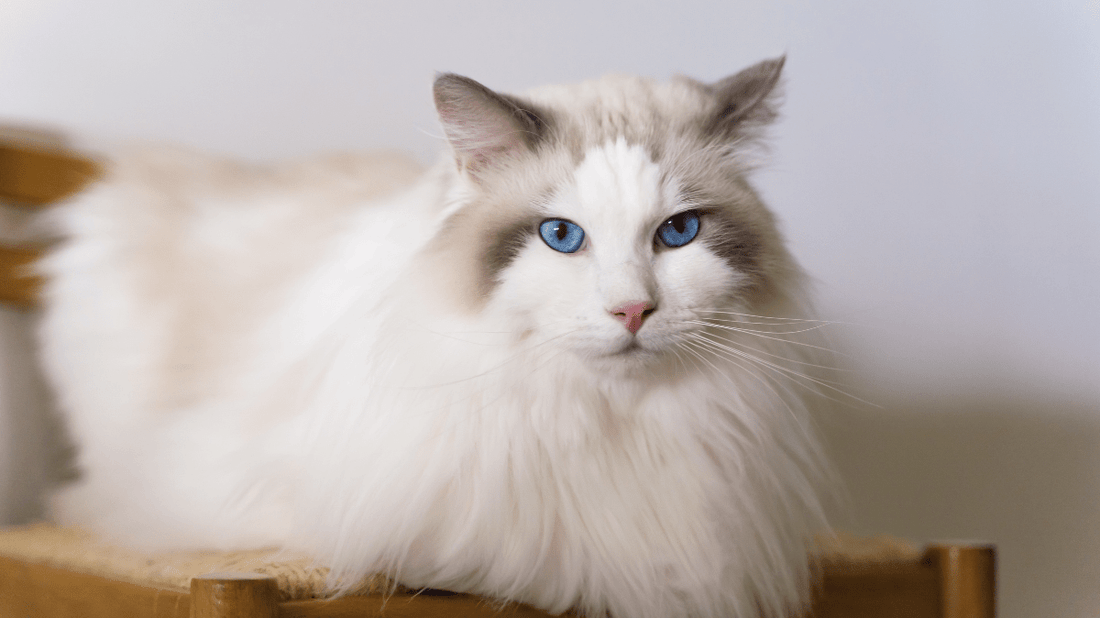
Choosing dental care for your cat can feel surprisingly complicated. Labels may include unfamiliar ingredients, bold promises and vague terms such as “natural” or “clean”. If you are looking for additive-free cat dental care, the useful question is not whether an ingredient sounds scientific. It is whether the product is safe, suitable for cats and supported by credible evidence.
Up to 85% of cats over the age of three develop some form of dental disease. A simple, consistent routine can help support your cat’s teeth and gums, but home care cannot remove hardened tartar or replace veterinary treatment when a problem is already present.
Key takeaways
- Read the complete ingredient list rather than relying on “natural” or “additive-free” marketing claims.
- Use dental products made specifically for cats and follow their directions.
- Choose a routine your cat will tolerate consistently.
- Purrlys® supports the oral and gut microbiomes as part of a broader dental routine.
- See your vet if your cat has persistent bad breath, sore gums, trouble eating or other signs of oral pain.
What “additive-free” really means
There is no single phrase on a label that guarantees a product is right for every cat. “Natural” does not automatically mean safe, and a long chemical name does not automatically mean harmful. Some ingredients help preserve quality, maintain texture or perform a specific dental function.
Instead of judging a product by one buzzword, look at the complete formulation, the recommended use and the evidence behind its claims. If your cat has food sensitivities, chronic illness or a prescribed diet, take the ingredient list to your veterinarian before adding anything new.
Avoid fear-based ingredient advice
Online lists often label individual ingredients as “toxic” without considering dose, formulation or how the product is used. That can make choosing dental care more confusing than it needs to be. A better approach is to ask:
- Is the product formulated specifically for cats?
- Does the manufacturer provide clear ingredients and directions?
- Are the dental claims realistic and supported?
- Will the product fit your cat’s diet and health needs?
- Can you use it consistently without causing stress?
How to read a cat dental product label
Check that it is made for cats
Human toothpaste, mouthwash and breath products are not suitable substitutes. Cats swallow products placed in their mouths, and human formulations may contain ingredients that are unsafe for them. Use only products labelled for feline use.
Look beyond the front of the pack
Marketing terms can be helpful shortcuts, but the ingredient panel and directions provide more useful information. For dental treats, check the calories and adjust your cat’s daily intake if needed. For powders, gels or water additives, follow the stated quantity and storage instructions.
Be cautious with exaggerated promises
No supplement, treat or toy can guarantee prevention of dental disease. Home products may support oral hygiene, reduce plaque accumulation or freshen breath, but they cannot safely remove tartar below the gum line or treat an infected tooth.
Consider your cat’s individual needs
Kittens, senior cats and cats with chronic health conditions may need different care. Speak with your vet before introducing a new supplement if your cat has chronic kidney disease, thyroid disease or eats a therapeutic veterinary diet.
Low-stress dental care options
Cat-safe toothbrushing
Brushing with a feline toothbrush and cat-safe toothpaste remains a useful option when a cat accepts it. Introduce each step gradually and stop if your cat becomes distressed. A calm routine that covers a few teeth is more useful than forcing a full brushing session that neither of you can repeat.
Evidence-based dental treats or diets
Some dental treats and veterinary diets are designed to reduce plaque or tartar through their shape, texture or formulation. Ordinary dry food does not automatically clean teeth. Ask your vet which products have suitable evidence and whether they fit your cat’s nutritional needs.
Dental toys
Textured toys can encourage chewing and may provide light mechanical cleaning. Choose sturdy toys designed for cats, supervise their use and replace them if they become damaged. Toys are an extra tool, not a substitute for veterinary checks.
Regular mouth checks
When your cat is relaxed, briefly lift their lip and look for redness, bleeding, swelling, broken teeth or heavy brown build-up. Keep the check gentle and short. Never try to scrape tartar away at home, as this can damage the gums or enamel.
Supporting the oral microbiome
The mouth contains a community of microorganisms known as the oral microbiome. Supporting a balanced oral environment can be one part of your cat’s daily dental routine.
Purrlys® Premium Oral Dental Probiotic for Cats is an Australian-made, vet-approved, odourless and tasteless powder. It supports the oral and gut microbiomes and helps protect teeth and gums from plaque and harmful bacteria. It is made in a human-grade facility and is suitable for cats of all ages and breeds.
Sprinkle it into your cat’s wet food and mix well, twice daily. Introduce it gradually over 6–8 days, allowing longer for a sensitive stomach if needed. The age-specific introduction schedule is available on the How Purrlys® Works page.
You should notice an improvement in breath after two weeks. Plaque and gum improvements may take 4–6 weeks. Individual results vary, and Purrlys® supports dental health rather than diagnosing, treating or curing dental disease.
When home care is not enough
Cats often hide pain, so subtle changes matter. Arrange a veterinary assessment if you notice:
- persistent or unusually strong bad breath
- red, swollen or bleeding gums
- drooling or pawing at the mouth
- difficulty chewing or dropping food
- reduced appetite or weight loss
- loose, broken or discoloured teeth
- facial swelling or a sudden change in behaviour.
A professional dental examination can identify problems below the gum line that are not visible at home. If your vet recommends a scale and polish or another procedure, ask how to prepare your cat and what ongoing home care will be appropriate afterwards.
A practical, additive-conscious routine
Keep your approach simple. Choose one or two suitable products, follow their instructions and monitor how your cat responds. Avoid stacking several new treats, powders and water additives at once, as this makes it difficult to identify what is helping or causing an upset stomach.
If you want a brush-free way to support the oral microbiome, explore Purrlys® Dental Probiotic. Store it below 25°C, away from sunlight, and do not refrigerate. Most importantly, pair daily home care with regular veterinary dental checks.
Frequently asked questions
Does additive-free mean a dental product is safer?
Not automatically. Safety depends on the complete formulation, dose, intended species and your cat’s individual health. Look for a product made for cats with clear ingredients and directions, and ask your vet if you are unsure.
Can natural products remove tartar?
No home product can safely remove hardened tartar below the gum line. A veterinarian may recommend professional cleaning if tartar or dental disease is present.
Can I clean my cat’s teeth without brushing?
Yes. Depending on your cat, options may include approved dental treats or diets, suitable toys, regular mouth checks and microbiome support. These approaches support oral health but do not replace veterinary care.
How should I give my cat a dental probiotic?
Give Purrlys® by sprinkling it into wet food and mixing well, twice daily. Follow the gradual introduction and age-specific directions on the How Purrlys® Works page.
How quickly should my cat’s breath improve?
With consistent use of Purrlys®, you should notice an improvement in breath after two weeks. Persistent or worsening bad breath still deserves a veterinary assessment.
Should I avoid all preservatives in cat dental products?
No. Preservatives can have a legitimate role in product safety and stability. Assess the whole product rather than assuming every preservative is harmful, and use products according to their directions.