
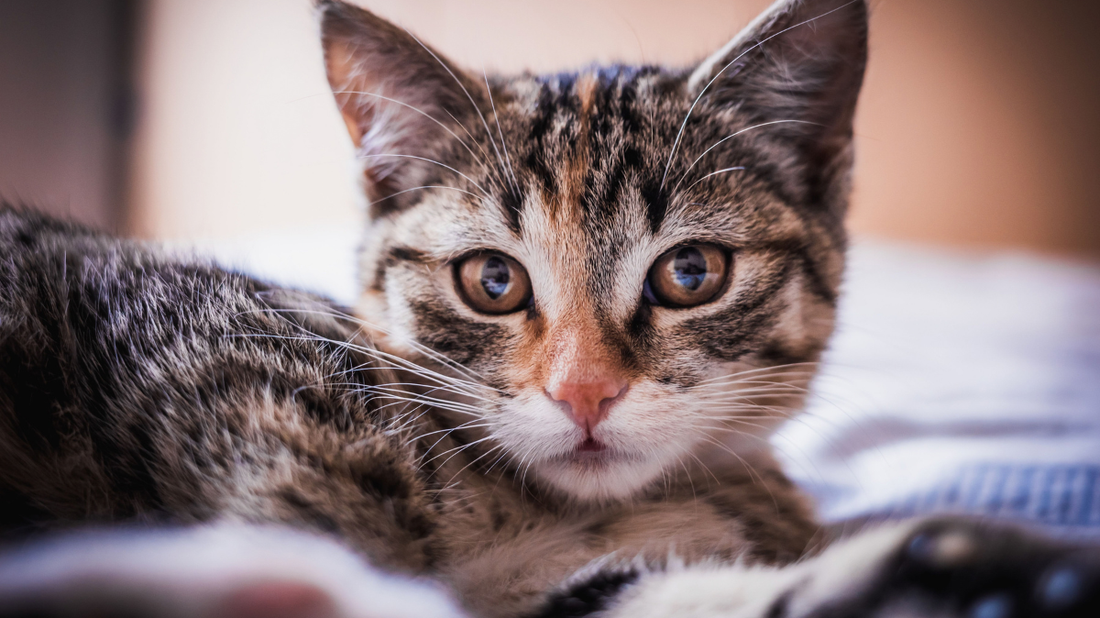
Dental treatment can be a significant and unexpected expense, but cost should never be the only reason to care for your cat’s teeth. Up to 85% of cats over the age of three develop some form of dental disease, and cats often hide discomfort until a problem is advanced.
Consistent home care and regular veterinary checks can help identify issues earlier and support your cat’s oral health. They cannot guarantee that your cat will avoid professional treatment, but they can give you a clearer plan and reduce the risk of waiting until a painful problem becomes urgent.
Key takeaways
- Dental costs vary according to your cat’s needs, location and the procedures required.
- Regular checks can find problems before the signs become obvious at home.
- Home care supports oral health but cannot remove hardened tartar or treat dental disease.
- Purrlys® can support the oral and gut microbiomes as part of a broader routine.
- Ask your vet for a written estimate and what is included before a planned procedure.
Why cat dental costs vary
There is no single standard price for feline dental treatment in Australia. The final cost may depend on your clinic, your cat’s health, the complexity of the procedure and whether additional care is required.
A veterinary dental procedure may involve some or all of the following:
- a pre-anaesthetic examination and blood tests
- general anaesthesia and monitoring
- dental X-rays
- scaling and polishing above and below the gum line
- extractions or other treatment
- pain relief, medication and follow-up care.
Online price ranges can be misleading because they may not include the same services. Your vet is the best source for an estimate based on your cat’s examination and the clinic’s approach.
Why early detection matters
Plaque forms on teeth every day. If it is not disrupted, it can harden into tartar and contribute to inflamed gums and periodontal disease. Some problems, including tooth resorption, may be painful even when the visible part of the tooth does not look severely damaged.
Cats tend to hide pain, and many continue eating despite dental discomfort. Regular veterinary examinations matter because they can reveal changes that are difficult to see at home. Finding a problem earlier does not guarantee a cheaper outcome, but it can allow treatment decisions to be made before the condition becomes an emergency.
Do not test sore gums at home
A visual check is enough. When your cat is relaxed, briefly lift the lip and look for redness, swelling, bleeding, broken teeth or heavy brown build-up. Do not press the gums with a cotton bud, scrape tartar or force the mouth open. If something looks wrong, arrange a veterinary assessment.
A realistic home-care routine
Brush if your cat accepts it
Toothbrushing with cat-safe toothpaste can help disturb plaque before it hardens. Introduce it slowly, use a soft feline toothbrush or finger brush and keep sessions brief. Never use human toothpaste. If brushing causes significant stress, ask your vet about other suitable options.
Consider evidence-based dental products
Some dental treats and veterinary dental diets are designed to help reduce plaque or tartar. Ordinary dry food does not automatically clean teeth. Look for credible evidence, follow the feeding guide and account for treat calories in your cat’s daily intake.
Support the oral microbiome
The mouth contains a community of microorganisms known as the oral microbiome. Supporting a balanced oral environment can form part of a broader dental routine.
Purrlys® Premium Oral Dental Probiotic for Cats is an Australian-made, vet-approved, odourless and tasteless powder made in a human-grade facility. It supports the oral and gut microbiomes and helps protect teeth and gums from plaque and harmful bacteria.
Sprinkle it into your cat’s wet food and mix well, twice daily. Introduce it gradually over 6–8 days, particularly for a sensitive stomach. Follow the age-specific schedule on the How Purrlys® Works page. Consult your vet before use if your cat has chronic kidney disease, thyroid disease or eats a therapeutic veterinary diet.
You should notice an improvement in breath after two weeks. Plaque and gum improvements may take 4–6 weeks. Purrlys® supports oral health but does not remove tartar, treat disease or guarantee that professional dental care will not be needed.
Check the mouth regularly
A quick visual check every week or two can help you recognise changes. Make it calm and reward-based. Stop if your cat resists or appears uncomfortable.
Planning for veterinary dental costs
Ask what the estimate includes
Before a planned dental procedure, ask for a written estimate and whether it includes blood tests, X-rays, anaesthesia, monitoring, extractions, medication and follow-up appointments. Also ask how the clinic handles findings that can only be confirmed once your cat is under anaesthesia.
Create a pet-care buffer
If possible, set aside a small amount regularly for veterinary care. A dedicated savings buffer can make an unexpected recommendation easier to manage. Pet insurance may cover some dental illness or injury depending on the policy, exclusions and waiting periods, so read the terms carefully rather than assuming every dental cost is included.
Discuss financial concerns early
If cost is a concern, tell your vet before treatment. They may be able to explain which steps are essential, which are optional or whether staged care is clinically appropriate. Do not delay urgent care without veterinary guidance, as dental pain and infection can worsen.
When to book a vet visit
Arrange a veterinary assessment if you notice:
- persistent or suddenly worse bad breath
- red, swollen or bleeding gums
- drooling or pawing at the mouth
- difficulty chewing, dropping food or eating on one side
- reduced appetite or unexplained weight loss
- loose, broken or discoloured teeth
- facial swelling or obvious pain.
Seek prompt advice if your cat stops eating, develops facial swelling or seems acutely unwell. Cats can become seriously ill when they do not eat, and dental pain is not something to watch indefinitely.
A balanced approach to dental care
Good dental care is not about choosing between home products and veterinary treatment. The two play different roles. Home care can support the teeth, gums and oral environment between appointments, while veterinary care is needed to diagnose and treat disease.
A sustainable routine may include gentle mouth checks, brushing if tolerated, evidence-based dental products and daily microbiome support. Learn more about Purrlys® Dental Probiotic or review the introduction and usage directions.
Frequently asked questions
Can home dental care prevent every vet bill?
No. Home care can support oral health and may reduce plaque accumulation, but genetics, age, existing disease and other factors also matter. Some cats will still need professional cleaning or treatment.
Why can dental estimates change?
The full extent of dental disease may only become clear after examination under anaesthesia and dental X-rays. Ask your clinic how they communicate and obtain approval if additional treatment is recommended.
Can a dental probiotic remove tartar?
No. Hardened tartar requires professional assessment and cleaning. Purrlys® supports the oral microbiome and helps protect teeth and gums from plaque and harmful bacteria, but it does not replace veterinary treatment.
How do I give my cat Purrlys®?
Sprinkle Purrlys® into wet food and mix well, twice daily. Introduce it gradually and use the age-specific directions on the How Purrlys® Works page.
Is bad breath normal for cats?
A mild food smell just after eating can be normal, but persistent or strong bad breath should be checked. Dental disease is one possible cause, but other health issues can also affect breath.
How often should my cat have a dental check?
The right schedule depends on your cat’s age, breed, health and dental history. Ask your veterinarian how often they recommend an oral examination for your individual cat.