
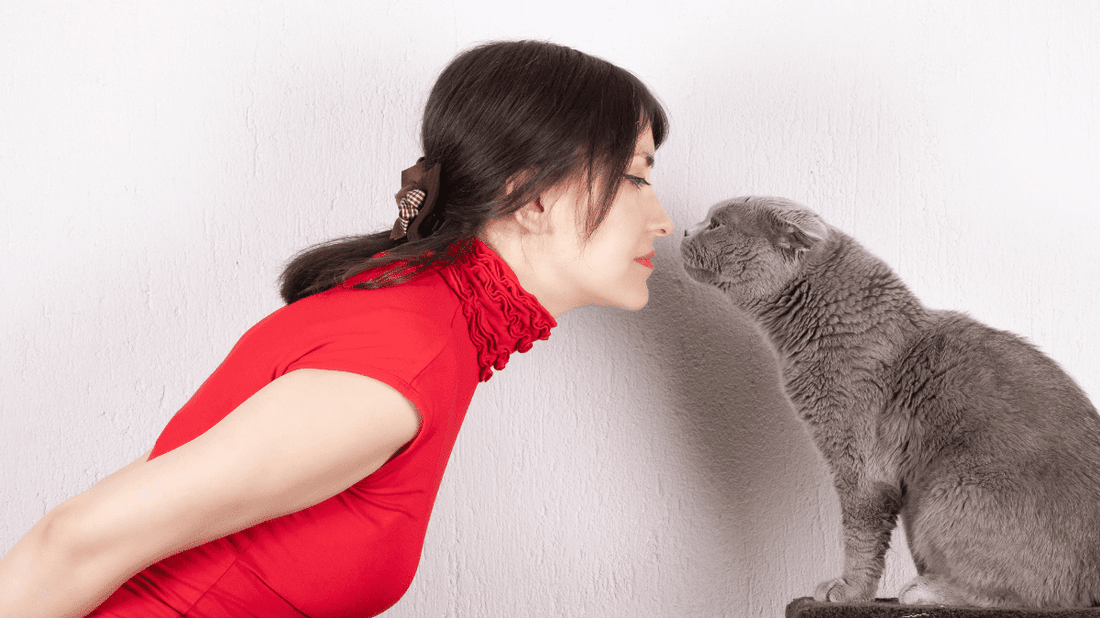
There are plenty of products labelled for cat breath, from toothbrushes and dental diets to treats, water additives and powders. They do different jobs. Before choosing one, ask your vet about bad breath that persists, starts suddenly or comes with mouth pain. A fresher smell is not a substitute for finding the cause.
This guide compares everyday options so you can build a routine your cat accepts alongside veterinary dental care.
Key takeaways
- Start with a veterinary assessment for persistent or new bad breath.
- Brushing can help disturb plaque when tolerated; a supplement is not mechanically equivalent.
- Check the evidence, calories and directions for a particular dental treat or diet.
- Purrlys® supports oral and gut microbiomes as a daily addition, not a cure or replacement for professional dental care.
First, check the cause
A recent fishy meal can leave a temporary smell. Persistent or suddenly worse breath can accompany dental disease or another medical issue. A sweet or ammonia-like smell is information to share with your vet, not a diagnosis you can make at home. Drooling, red or bleeding gums, pawing at the mouth, difficulty chewing or eating less all call for assessment.
Up to 85% of cats over the age of three develop some form of dental disease. Your vet can look for problems that a quick peek at home may miss, including disease beneath the gum line. If professional cleaning or treatment is needed, ask for an individual estimate; costs and schedules vary.
Brushing and professional care
Brushing with cat-safe toothpaste helps disturb soft plaque when a cat tolerates it. Introduce handling slowly, never use human toothpaste and do not force a sore mouth. If your cat refuses brushing, ask your vet about appropriate alternatives rather than assuming home products are equivalent to it.
Professional dental care may include an examination, X-rays, cleaning or treatment of a painful tooth. No powder or treat can safely remove hardened tartar beneath the gum line or guarantee fewer future vet visits.
Dental treats and diets
Some specially designed treats and veterinary dental diets have evidence for helping control plaque or tartar. Look for a specific claim and, when applicable, the Veterinary Oral Health Council seal. Check feeding directions and calories, and whether your cat chews the treat. Ordinary dry food is not automatically a dental product. Ask your vet before changing a prescribed diet.
Water additives and gels
Cat-specific water additives and oral gels have different directions and intended uses. Check the evidence for the particular product. Watch that a water additive does not discourage your cat from drinking. Do not assume that any such product replaces a dental examination or can treat inflamed gums.
Dental probiotic powders
A cat-specific probiotic powder can support the oral microbiome and may be easier to add to a meal than brushing for some households. The oral and gut microbiomes are connected, but bad breath is not proof that the gut is the cause. A powder does not scrub off plaque, dissolve tartar or treat dental disease.
Purrlys® Premium Oral Dental Probiotic for Cats is an odourless, tasteless powder made in Australia in a human-grade facility and described as vet approved. It supports the oral and gut microbiomes and helps protect teeth and gums from plaque and harmful bacteria. It does not diagnose, treat or cure a dental condition.
Sprinkle into your cat’s wet food and mix well, twice daily. Introduce it gradually over 6–8 days, allowing longer for a sensitive stomach. Follow the age-specific directions on the How Purrlys® Works page, rather than using a universal scoop amount. Consult your vet before use if your cat has chronic kidney disease, thyroid disease or eats a therapeutic veterinary diet.
You should notice an improvement in their breath after 2 weeks of consistent use. Plaque and gum improvements may take 4–6 weeks; results vary. Persistent odour still warrants a vet check. Read about Purrlys® Dental Probiotic if you are considering it for your cat’s routine.
Choosing your cat’s routine
Start with your vet’s advice about your cat’s mouth and general health. Choose a home-care step your cat can tolerate, follow its actual directions and monitor eating, breath and gum changes. Brushing, a dental diet, a suitable treat and a probiotic may play different roles; there is no single brush-free shortcut that fits every cat.
Frequently asked questions
Which home option is best for bad breath?
That depends on the cause and your cat’s health. Start with a veterinary assessment for persistent bad breath, then ask which daily options suit your cat.
Can dental treats replace brushing?
Some have evidence for plaque or tartar control, but they do not duplicate brushing or veterinary dental treatment. Follow the product’s feeding directions.
Can a probiotic powder remove tartar?
No. Purrlys® supports daily oral care but cannot remove hardened tartar.
How do I give Purrlys®?
Sprinkle Purrlys® into wet food and mix well, twice daily. Follow the gradual age-specific introduction on the How Purrlys® Works page.
How often does my cat need a professional clean?
There is no universal schedule. Your vet will recommend checks and treatment based on your cat’s examination and dental history.