
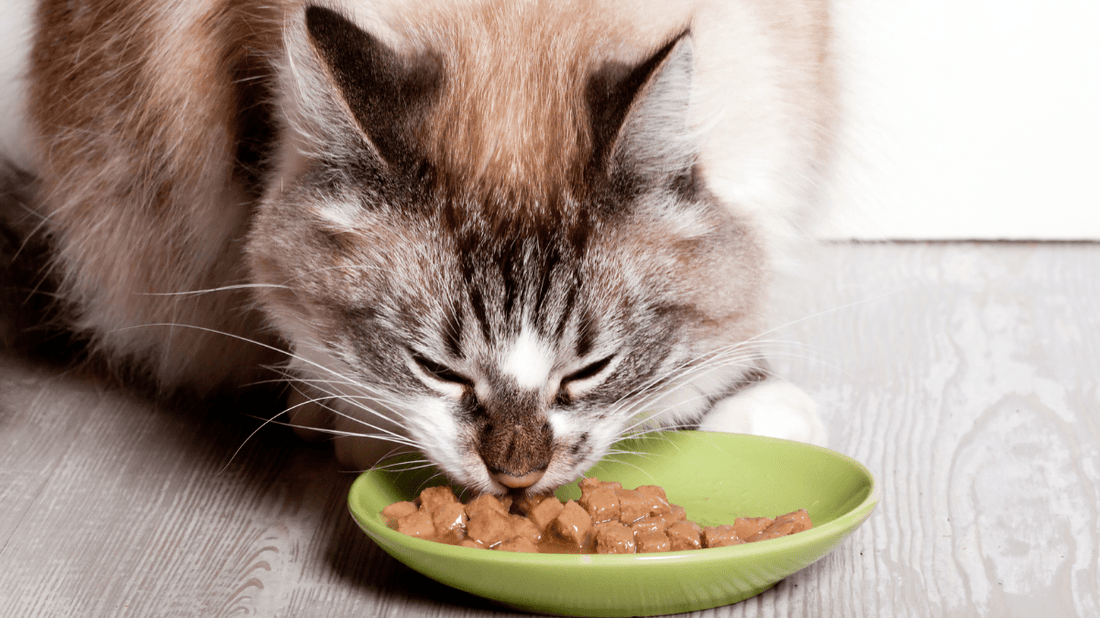
Last Tuesday, Sarah in Melbourne watched her fussy Ragdoll, Luna, sniff a bowl of premium A$48 kibble and walk away with a haughty flick of her tail. It's a heart-sinking moment when your fur-baby chooses a hunger strike over the high-quality nutrition they need. We've all been there, staring at an expensive, untouched meal while worrying about the "stinky" litter box disasters that often follow a sudden change. Learning how to switch cat food shouldn't feel like a high-stakes gamble with your carpet or your wallet.
You deserve a happy, purring companion who thrives on their new diet without the tummy upsets or diarrhea. We promise to help you master a stress-free transition that protects your cat's total health. This starts by supporting the delicate balance of the oral and gut microbiome, as these two systems are intrinsically linked. A healthy mouth is the gateway to a happy belly. We're diving into a whisker-approved, seven-day plan to ensure your cat enjoys every bite while achieving a pawesome glow from tooth to tail.
Key Takeaways
- Learn the golden ratios for how to switch cat food over seven days to keep your fur-baby's tummy happy and avoid any dinner-time hunger strikes.
- Discover how the oral and gut microbiomes are purr-fectly linked, and why supporting both systems with Purrlys is the secret to a smooth, healthy transition.
- Master the art of switching between textures — from dry kibble to Aussie-safe raw diets — without causing "texture shock" or picky-eater protests.
- Identify the subtle signs your cat is ready for a menu makeover and learn how to maintain a brush-free dental routine that supports their health from tooth to tail.
- Understand the biological "neophobia" that makes cats suspicious of new smells so you can outsmart their instincts and ensure a stress-free mealtime.
Why Change is a Big Deal: Understanding the Feline Palate
Ever wondered why your fluff-ball treats a new bowl of kibble like it's a suspicious package? It isn't just your cat being a diva. This behavior is actually a biological survival trait called neophobia. In the wild, being wary of new smells kept ancestors safe from spoiled food or toxic plants. Today, that same instinct means your fur-baby might turn their nose up at a premium blend simply because it smells "different." When you're figuring out how to switch cat food, you're essentially negotiating with thousands of years of evolutionary caution. It takes patience and a bit of whisker-friendly strategy to win them over.
Your cat might be sending you telegrams that it's time for a change through their physical appearance. A coat that feels like straw instead of silk, or a 15% drop in daily zoomie activity, often points to a nutritional gap. Some cats even display "bowl boredom," where they meow for food but walk away after one sniff. This isn't just fussiness; it's often a sign that their current diet isn't hitting those vital feline nutritional requirements. At Purrlys, we believe a happy cat starts with a balanced internal ecosystem. Our approach focuses on the vital link between the oral and gut microbiome. These two systems are deeply connected; the bacteria in your cat's mouth set the stage for how well their tummy processes nutrients. A healthy mouth leads to a happy gut, making the transition much smoother for everyone involved.
Don't be tempted to go "cold turkey" with a new brand. Sudden swaps are the fastest way to trigger a gastrointestinal protest. We're talking about 48 hours of vomiting or diarrhea that could land you with an A$250 emergency vet bill. A gradual transition allows the digestive enzymes and the gut microbiome to adapt without panic. Most healthy cats need a 7 to 10 day window to adjust, while sensitive seniors might require up to 21 days to fully embrace a new menu. Every cat has a unique personality, so let their appetite dictate the pace. If they back away, slow down the mix. It's a marathon, not a sprint to the finish line.
The Psychology of the Picky Eater
Your cat's culinary preferences were likely set before they even left their mama. Flavor imprinting happens during the first 6 months of a kitten's life. If they weren't exposed to textures like pâté or chunks in gravy early on, they might view them as "non-food" items later. Whisker fatigue also plays a massive role. If a new bowl is too deep or narrow, the sensitive receptors in their whiskers get overstimulated, causing them to stop eating even if they're hungry. They aren't being rude; they're just protecting their sensory tools.
When to Consult Your Aussie Vet
Sometimes "picky" is actually "painful." If your cat drops food or tilts their head strangely while chewing, they might be dealing with dental issues. Up to 85% of cats over the age of three show signs of dental disease, and professional cleanings can cost upwards of A$800. If your vet recommends a therapeutic diet for kidney health or weight management, the stakes are higher. These transitions often require a vet-led plan to ensure your fur-baby stays hydrated and gets the specific nutrients they need to thrive. It's a purr-fectly normal part of responsible pet parenthood.
The 7-Day Transition Roadmap: A Step-by-Step Guide
Changing your fur-baby's menu isn't just about swapping one bag for another. It's a delicate 168-hour journey that respects your cat's unique biology. Understanding how to switch cat food involves more than just the stomach; it starts with the oral microbiome. Because the mouth and gut are linked systems, a gradual introduction ensures the bacteria in both areas stay balanced and happy. Following this 7-day roadmap prevents digestive drama and keeps those tail-swishes coming.
- Days 1-2: The Golden Rule. Start by filling the bowl with 75% of the old kibble and only 25% of the new recipe. This small introduction allows the bacteria in your cat's gut to begin recognizing new nutrients without triggering an alarm.
- Days 3-4: The Halfway Mark. Move to a 50/50 split. By now, your cat's digestive enzymes are working harder. Keep a close eye on the litter box to ensure the "output" remains consistent and firm.
- Days 5-6: The Home Stretch. Shift the ratio to 75% new food and 25% old food. At this stage, the microbiome is usually fully adapted to the new protein and fiber profiles.
- Day 7: Full Celebration. It's time for the 100% switch! Your kitty is now enjoying a pawsome new routine that supports their health from whiskers to tail.
Monitoring Digestive Success
Keep a "poop diary" during this week. On a standard 7-point scale, you want to see a 2 or a 3, which represents firm, segmented stools. If you notice a 5 or 6 (soft or liquid), don't panic. Simply pause the transition for 24 hours. If your cat has a history of tummy sensitivity, switching your pet's food might require a 14-day "scenic route" instead of the standard week. This slower pace gives the microbial cells in their body extra time to adjust. To help keep their internal ecosystem thriving during this change, consider adding daily microbiome support to their bowl for a smoother transition.
Sensory Hacks for Stubborn Cats
Some cats are more "discerning" than others. If your feline friend turns up their nose, try the "Warmth Trick." Heating wet food to exactly 38.5 degrees Celsius, which is a cat's natural body temperature, releases aromatic fats that entice the nose. You can also use high-value toppers like freeze-dried chicken or a splash of tuna juice to bridge the gap between old and new flavors. For the truly skeptical, use the "Double Bowl" method. Place a tiny amount of the new food in a separate, chic bowl right next to their current meal. This allows them to explore the new scent without feeling like their trusted dinner is being "contaminated," making the process of how to switch cat food a stress-free experience for everyone. Purrlys is specifically designed to be whisker-friendly, ensuring that the tactile experience of eating is just as delightful as the taste itself.
Troubleshooting the Switch: Wet, Dry, and Raw Challenges
Is your fur-baby a dedicated kibble cruncher? Making the leap to a new format can feel like a whiskered standoff. Understanding how to switch cat food requires a bit of patience and a lot of love, especially when texture is the main hurdle. One crucial thing to remember is that your cat's health starts in the mouth. Purrlys focuses on balancing both the oral and gut microbiome because these two systems are deeply linked. A happy tummy often begins with a healthy mouth; a balanced oral environment prevents harmful bacteria from migrating downstream to the digestive tract. This holistic approach ensures your kitty feels purr-fect from their nose to their toes.
Many Aussie pet parents worry that moving away from "crunchy" kibble will hurt dental health. This is a common myth. In reality, up to 85% of cats over the age of three show signs of dental disease regardless of their diet. Kibble often shatters upon impact, providing little mechanical cleaning. By focusing on the oral microbiome with Purrlys, you provide a more effective defense than hard biscuits ever could. If you are exploring the raw transition in your Aussie home kitchen, safety is your top priority. Always store raw meals at or below 4 degrees Celsius. Use stainless steel bowls to prevent bacterial traps, as plastic can harbor microbes in tiny scratches after extended use.
Texture Transitions
Does your cat turn their nose up at pate but crave gravy? Texture shock is real. For a "kibble addict," start by adding 5ml of warm water or salt-free chicken broth to their dry food. This softens the crunch and introduces extra hydration. Gradually move to a "mince" texture before trying pates. This slow shift helps the bacteria in the gut adapt to new moisture levels without causing a tummy upset.
Multi-Cat Dynamics
Food envy can turn a peaceful home into a feline boxing ring. If only one cat is changing diets, microchip feeders are a pawesome investment. These devices, which typically cost between A$250 and A$320 at major Australian pet retailers, only open for a specific cat's chip. This prevents your "dieting" cat from stealing old food. Switch from free-feeding to scheduled 20-minute windows to maintain control over who eats what during the transition phase.
When you learn how to switch cat food, you are acting as a curator of joy for your pet. Transitioning to wet or raw food often increases a cat's water intake significantly, which supports kidney function. Since the oral and gut microbiomes are so closely tied, you might notice your cat has fresher breath and more energy within just 14 days of a successful switch. Keep the process breezy and lighthearted. If your cat refuses a meal, don't panic. Simply take a step back to the previous ratio for 48 hours. Your stylish, whiskered friend will eventually appreciate the gourmet upgrade you've prepared for their chic lifestyle.
The Gut-Mouth Connection: Why Your Cat's Microbiome Matters
Did you know your cat's health starts with a tiny, invisible party happening right in their mouth? This isn't just about fresh breath for those midnight snuggles; it's about the microbiome highway. This biological path connects the oral cavity directly to the digestive tract. When your fur-baby eats, they aren't just swallowing kibble. They are sending a cascade of bacteria down to their tummy. If the mouth is full of "bad" bacteria, the gut has to deal with the fallout. Research shows that 70% of a cat's immune system lives in their gut, making this connection vital for their daily happiness.
Learning how to switch cat food requires more than just a new bag of biscuits. A sudden change can act like a tiny earthquake for these bacterial colonies. When you introduce new proteins or fibres, the delicate balance of 'good' bacteria gets disrupted. This often leads to the dreaded "stinky" breath or a sensitive tummy. A healthy, balanced mouth creates a resilient eater. Cats with a thriving oral microbiome are often more adventurous when trying new textures because their systems aren't constantly fighting off low-grade inflammation. It's the secret to making your transition as smooth as a fresh coat of fur.
Supporting the System from Both Ends
Most supplements only focus on one area, but your clever kitty needs a holistic approach. Purrlys is designed to support the system from both ends by targeting the oral and gut microbiome simultaneously. This dual-action approach ensures that the "good" bacteria you're encouraging in the gut aren't being overwhelmed by nasties from the mouth. It's a total body reset that starts with the very first lick.
One of the biggest hurdles during a food change is "sensory scares." Cats are notoriously picky; they can spot a pill or a weird-smelling powder from a mile away. Because Purrlys is a tasteless supplement, it slips into their new food unnoticed. You won't have to worry about your feline friend turning their nose up at the bowl. You can learn more about the science behind this dual-action support by visiting How Purrlys Works.
Reducing Inflammation Through Nutrition
Inflammation is the enemy of a happy cat. When the microbiome is out of whack, plaque and tartar buildup accelerate. Up to 85% of cats over the age of three show signs of oral disease. By combining the right nutrition with targeted probiotics, you can help reduce the harmful bacteria that cause these issues. This isn't just about teeth; it's about their entire "purr-sonality."
- Skin and Coat: A balanced gut leads to fewer allergies and a plush, shiny coat.
- Digestive Peace: Probiotics help reduce the gas and bloating that often accompany a new diet.
- Longevity: Lowering systemic inflammation is the whisker-approved secret to a long, vibrant life.
A resilient microbiome acts as a safety net during your transition period. It gives your cat the internal strength to process new ingredients without the typical digestive drama. When the gut is happy, the coat glows, the breath stays fresh, and those morning zoomies stay high-energy. It's all about creating a foundation of wellness that starts with a single, healthy bite.
Ready to give your feline friend the ultimate digestive head start? Shop the Purrlys collection today and make your next food switch a breeze.
Purr-fecting the Routine: Maintaining Wellness Beyond the Bowl
Changing your kitty's menu is a big step toward better health, but keeping the rest of their routine stable makes the transition much easier. While you are mastering how to switch cat food without the tummy upsets, do not forget that wellness starts right at the whiskers. Consistency is king for our feline friends. If you keep their daily supplements and rituals the same while the kibble or wet food changes, their delicate systems feel much more secure. This stability helps prevent the stress that often leads to food strikes or digestive flares.
A holistic approach to health means looking at the whole cat, not just the bowl. Many Aussie cat parents focus heavily on protein percentages but overlook the vital connection between the mouth and the belly. Science shows that the oral microbiome and the gut microbiome are deeply linked; bacteria from the mouth constantly travel down to the digestive tract. By supporting a healthy balance of bacteria in the mouth, you are actually giving your cat's stomach a helping hand during their food transition. It is a win-win for their overall vitality and your peace of mind.
The Stress-Free Dental Solution
Traditional teeth brushing can feel like a wrestling match with a very tiny, very sharp tiger. For cats who hate change, introducing a toothbrush during a food transition is a recipe for disaster. That is why many savvy owners choose a brush-free approach by adding Purrlys Dental Probiotics as a constant in their diet. This targeted powder is whisker-friendly and easy to hide in any meal, ensuring their dental health remains a priority even when the flavor of their food changes.
Aussie cat parents often prefer this simple powder over difficult-to-administer pills because it avoids the "spit-out" game. Up to 85% of cats over the age of three show signs of dental disease, which can lead to expensive A$600+ cleaning procedures. Our 'Daily Smile' promise offers a different path. By using a specialised probiotic, you can support a healthier oral environment and fresher breath. It works by populating the mouth with beneficial bacteria that crowd out the smelly, harmful ones, supporting both oral health and gut harmony simultaneously.
Long-Term Health Tracking
To ensure your fur-baby is thriving, start a 'Wellness Journal' to track their progress. This does not need to be a chore; a simple notebook or a note on your phone will do. Record their reaction to the new food, the consistency of their litter box deposits, and any changes in their breath or coat shine. Tracking these small details helps you spot patterns before they become problems. If you notice a slight change in behavior, you can quickly check your notes to see if it aligns with a specific stage of your plan for how to switch cat food.
If you ever feel unsure about a reaction or a specific health quirk, use the Purrlys dosage guide to troubleshoot common queries. It is a great resource for understanding how probiotics interact with different diets and what to expect during the first few weeks of use. Being an informed cat parent is the best way to ensure your companion stays snug, happy, and healthy for years to come.
Watching your cat enjoy a nutritious meal and seeing that sparkle in their eyes is the ultimate reward. We invite you to join the Purrlys family for a pawsome dental journey that focuses on luxury care and expert results. Together, we can make every meal a step toward a brighter, fresher, and more vibrant life for your favorite feline. After all, a healthy cat is a purring cat, and that is the most beautiful sound in the world.
Ready for a Lifetime of Happy Tummies and Sweet Kisses?
Mastering how to switch cat food is all about following that 7-day roadmap and staying patient with your picky eater. You've got the tools to navigate the feline palate; now it's time to support their delicate internal world. Our Australian microbiome scientists developed Purrlys because they discovered that the oral and gut systems are a single, linked pathway. When you balance one, you help the other thrive. Wellness made simple. This vet-approved formula uses 100% human-grade ingredients to nourish your fur-baby's microbiome from the very first sniff. Since it's a tasteless, brush-free application, it fits seamlessly into your new feeding routine without any extra stress. You'll love the fresh breath during morning cuddles, and they'll love the pawsome feeling of a settled, healthy belly. It's the purr-fect way to ensure your best friend stays vibrant for years to come.
Give your fur-baby the gift of a healthy gut and fresh breath — Shop Purrlys now!
Your kitty's wellness journey is just beginning, and we're so excited to be part of your cozy home routine!
Frequently Asked Questions
How long should it take to switch cat food?
You should plan for a transition period of 7 to 10 days to keep your fur-baby's tummy happy. Start by mixing 25% of the new kibble with 75% of the old brand for the first 2 days. Gradually increase the new portion to 50% on days 3 and 4; then move to 75% on days 5 and 6. By day 7, your stylish feline should be ready for a 100% bowl of their new delicious feast. This slow rhythm allows their digestive system to adapt without any sudden shocks.
What happens if my cat refuses to eat the new food mixture?
Don't panic if your picky eater turns up their nose; simply slow down the mixing process. If they refuse to eat for more than 24 hours, it's vital to offer their old food again to prevent health issues like hepatic lipidosis. You can try adding a splash of warm water or a tiny bit of tuna juice to make the bowl more enticing. A vet visit in Australia typically costs between A$70 and A$100, so it's always better to be patient and avoid a stressful trip for a cat that won't eat.
Can switching cat food cause diarrhea or vomiting?
Yes, approximately 20% of cats experience digestive upset if their diet changes too quickly. This happens because the gut microbiome needs time to adjust to new proteins and fiber levels. Purrlys helps manage this transition by supporting both the oral and gut microbiome, which are closely linked systems. When you understand how to switch cat food properly, you protect these delicate bacteria. If your kitty vomits more than twice in 12 hours, consult your local Aussie vet immediately.
Do I need to change my cat's food as they get older?
Your cat's nutritional requirements change significantly when they hit the age of 7 and again at age 11. Mature cats often need fewer calories but higher quality protein to maintain muscle mass without gaining weight. Senior cats over 11 years old might require specific nutrients to support kidney health and joint mobility. Making these shifts ensures your companion stays chic and healthy throughout their golden years. Always use a 7-day transition period when moving between life-stage formulas.
Is it okay to rotate different cat food brands frequently?
Rotating brands can provide a variety of nutrients, but it requires a strict 7-day transition every single time you swap. Frequent, sudden changes can lead to chronic inflammation in the digestive tract and a very grumpy fur-baby. If you want to know how to switch cat food for a rotation diet, keep a diary of which proteins your cat enjoys most. This prevents "food boredom" while ensuring their gut microbiome remains stable and whisker-approved. Stick to two or three high-quality brands to avoid overwhelming their system.
How can I tell if my cat's stomach is upset by the new food?
Keep a close eye on the litter box and look for stools that rank lower than a 2 or higher than a 5 on the Waltham Stool Scale. You might also notice your cat acting lethargic or hiding more than usual after a meal. Excessive gas or a bloated belly are also clear signs that the new recipe isn't sitting quite right. If these symptoms persist for more than 48 hours, the new food might be too rich or contain an ingredient your cat doesn't tolerate well.
Should I add probiotics during a food transition?
Adding a supplement like Purrlys during a transition is a pawesome way to support your cat's internal balance. Purrlys works on both the oral and gut microbiome because these two systems are linked; a healthy mouth leads to a happier tummy. It's a simple way to pamper your pet from the inside out while making the switch much smoother. Simply sprinkle into your cat's wet food and mix well, twice daily, for the best results.
Can I switch from dry food to wet food immediately?
No, you should never swap textures instantly because the high moisture content in wet food can cause immediate diarrhea. Plan for a 10-day shift where you offer small "taster" portions of wet food alongside their usual dry kibble. Wet food typically contains 75% moisture compared to the 10% found in dry biscuits, which is a massive jump for a cat's kidneys and gut. Start with just one teaspoon of wet food and slowly increase the amount while decreasing the dry portions. This ensures your kitty stays hydrated and happy without any messy accidents.