
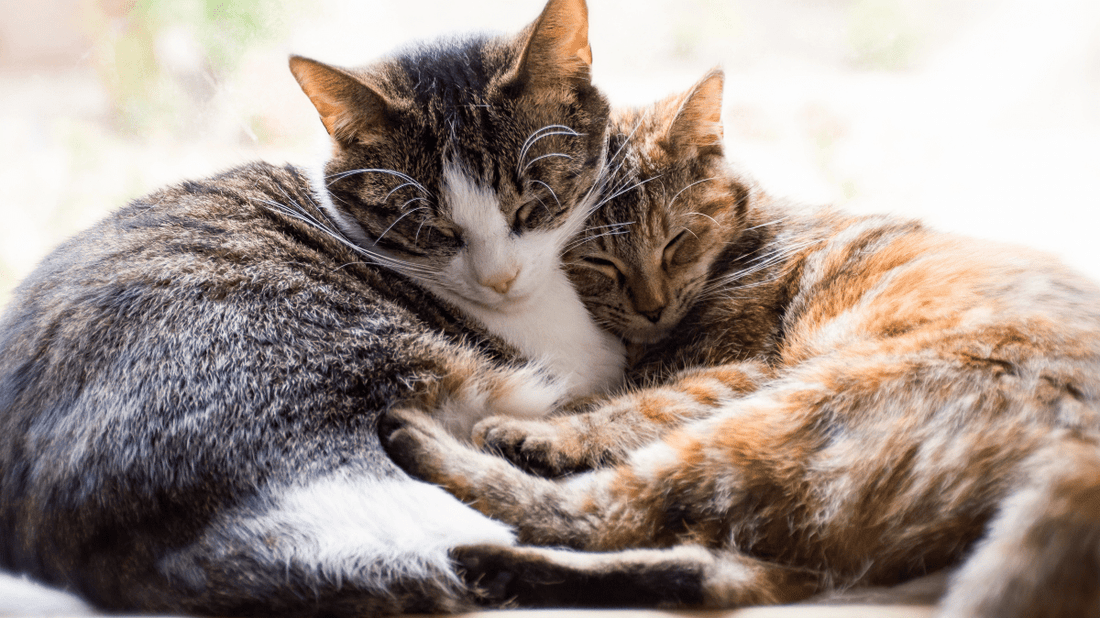
Choosing a probiotic for your cat is not as simple as picking the highest number on the label. Products differ in their ingredients, intended use and directions, and a formula that suits one cat may not suit another. If you are concerned about persistent bad breath, digestive symptoms or a change in appetite, start with a veterinary assessment rather than assuming a supplement is the answer.
This guide explains what to check when comparing cat probiotics in Australia and where daily oral microbiome support may fit into a wider care routine.
Key takeaways
- Choose a probiotic formulated for cats with a clear purpose, ingredient list and directions.
- More strains or a higher CFU count do not automatically make a product better for your cat.
- Purrlys® supports the oral and gut microbiomes and helps protect teeth and gums from plaque and harmful bacteria.
- A probiotic supports a routine but does not diagnose, treat or cure dental or digestive disease.
- Check with your vet before adding a supplement if your cat has a medical condition or follows a therapeutic diet.
What probiotics are
Probiotics contain live microorganisms intended to support a healthy microbial environment. The mouth and digestive tract each have their own microbiomes. A product’s purpose matters: some formulations focus on digestive support, while others are designed with oral care in mind. Do not assume that every probiotic will have the same effects or that a human supplement is appropriate for a cat.
Probiotics can be a useful part of care, but they are not a substitute for a complete diet, dental checks or treatment when a cat is unwell. Up to 85% of cats over the age of three develop some form of dental disease. Ongoing bad breath or difficulty eating deserves veterinary attention even if you are already using a dental product.
How to choose a cat probiotic
Look for a clear purpose
Check whether a product is intended for oral hygiene, digestive support or another goal. Look for realistic claims and accessible directions. Be wary of promises that a supplement will cure disease, eliminate vet visits or guarantee results.
Read the whole label
Check the ingredients, intended species, storage requirements and expiry information. CFU stands for colony-forming units, a measure used for live microorganisms, but a large number alone cannot tell you whether a product is suitable or effective. The specific formula, quality and correct use matter too.
Consider the format your cat accepts
Products may come as powders, pastes, chews or capsules. Choose a format you can give as directed without distress. Do not assume a powder can be mixed into any food or drink: follow that product’s own directions. Introduce only one new supplement at a time so you can monitor your cat’s response.
Ask about health conditions and diets
If your cat has chronic kidney disease, thyroid disease, a sensitive stomach or another diagnosed condition, ask your vet before starting a supplement. The same applies to medication and therapeutic veterinary diets. Persistent diarrhoea, vomiting or weight loss should be assessed rather than self-treated.
Oral and gut microbiome support
The oral and gut microbiomes are related, but that does not mean an upset stomach is the cause of every case of bad breath. Dental disease, a broken tooth or another medical problem can also be responsible. Supporting the oral environment can complement brushing when tolerated and other evidence-based dental care, but it cannot remove hardened tartar or treat a painful mouth.
Up to 85% of cats over the age of three develop some form of dental disease. Keep regular veterinary dental checks in your plan, whether or not you use a probiotic.
Introducing Purrlys®
Purrlys® Premium Oral Dental Probiotic for Cats is an odourless, tasteless powder made in Australia in a human-grade facility and described as vet approved. It supports the oral and gut microbiomes and helps protect teeth and gums from plaque and harmful bacteria. It is not a cure or treatment for dental or digestive disease.
Sprinkle into your cat’s wet food and mix well, twice daily. Introduce it gradually over 6–8 days, allowing longer if your cat has a sensitive stomach. Follow the age-specific introduction schedule on the How Purrlys® Works page. Do not mix it into dry food, drinking water or a separate liquid treat.
You should notice an improvement in their breath after 2 weeks of consistent use. Plaque and gum improvements may take 4–6 weeks. Results vary, and fresher breath does not rule out underlying disease. Keep the powder below 25°C, out of sunlight, and do not refrigerate. Learn more about Purrlys® Dental Probiotic and ask your vet if you are unsure whether it suits your cat.
When to see a vet
Arrange a veterinary assessment for persistent or suddenly worse bad breath, red or bleeding gums, difficulty chewing, pawing at the mouth, weight loss or ongoing digestive symptoms. Seek prompt advice if your cat stops eating, develops facial swelling or seems acutely unwell. Do not wait for a supplement to take effect when these signs are present.
Frequently asked questions
Are more probiotic strains always better?
No. A longer list or higher CFU count does not automatically mean a formula is more suitable for a particular cat. Check the product’s intended use, directions and evidence, and ask your vet if you need guidance.
Can I give my cat a human probiotic?
Do not substitute a human or dog product without veterinary advice. Ingredients, intended use and amounts can differ from those in cat-specific products.
Can probiotics treat chronic diarrhoea?
Do not rely on a supplement to treat persistent diarrhoea. There are many possible causes, and your vet can assess your cat and advise on suitable care.
How should I give my cat Purrlys®?
Sprinkle Purrlys® into wet food and mix well, twice daily. Use the age-specific gradual introduction directions on the How Purrlys® Works page.
When might breath improve?
You should notice an improvement in breath after 2 weeks of consistent use of Purrlys®. Plaque and gum improvements may take 4–6 weeks. Persistent or worsening bad breath still needs veterinary assessment.
Is it suitable for kittens and senior cats?
Purrlys® is suitable for cats of all ages and breeds when used as directed. Ask your vet before use if your cat has chronic kidney disease, thyroid disease or eats a therapeutic veterinary diet.