
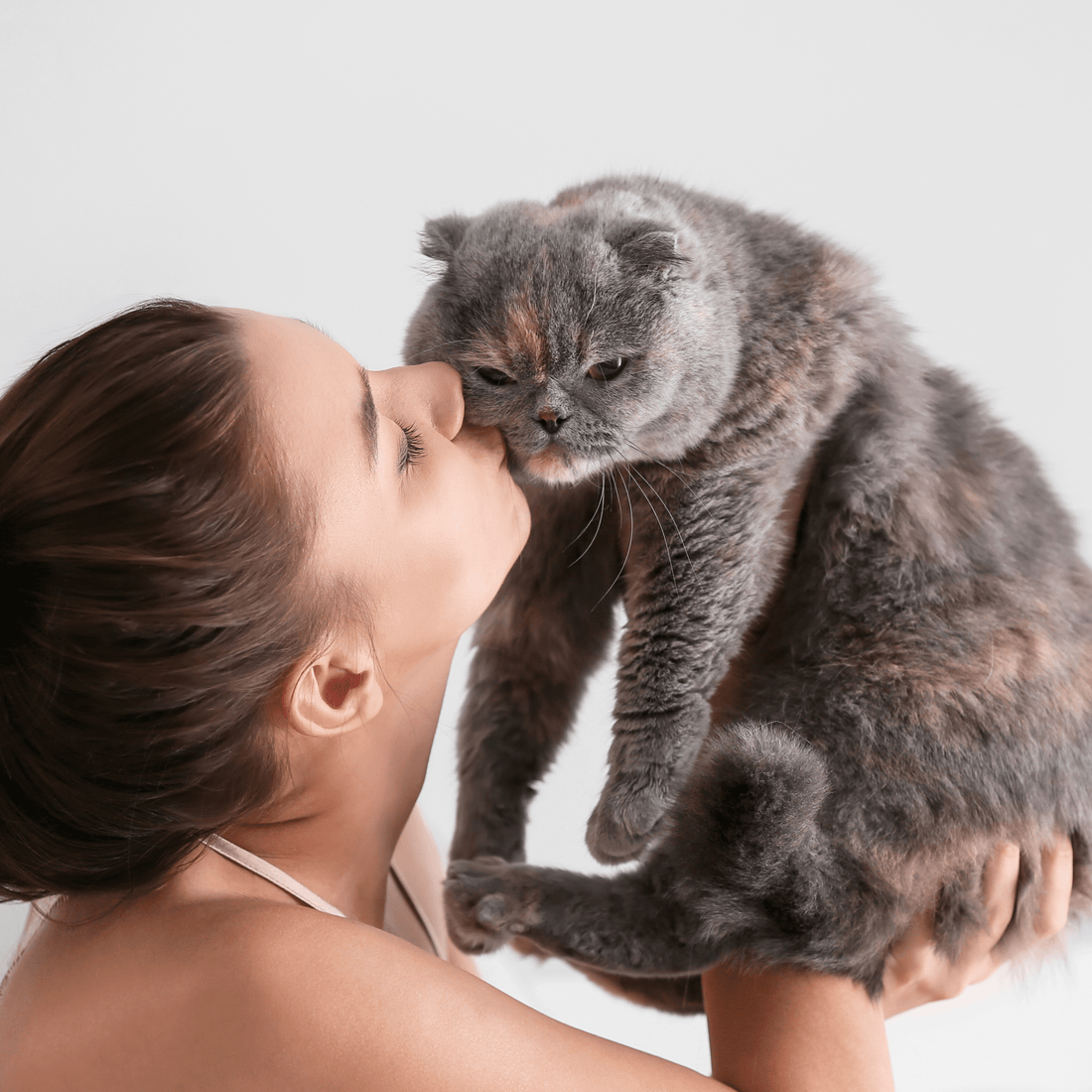
That close-up cuddle with your cat is one of life's best moments, until you get a whiff of that not-so-fresh breath. It's easy to write off stinky breath as just a "cat thing," but persistent odour is often your feline's way of telling you something isn't quite right. It's more than just a minor inconvenience; it's a clue worth investigating.
Decoding Your Cat's Bad Breath
Noticing your cat's breath has gone from neutral to noticeable can be a bit unsettling. While many pet owners assume it’s just part of life with a furry companion, a constant bad smell is often the first red flag for an underlying problem that needs your attention. Think of it as a subtle but important message about their overall health.
This guide is here to walk you through the common culprits, from a bit of plaque to more serious health concerns. We'll look at gentle, proactive care you can start at home, which works hand-in-hand with professional vet advice, so you can feel confident in supporting your cat's wellbeing.
Why You Can't Afford to Ignore Feline Halitosis
Consider bad breath, or halitosis, as a check-engine light for your cat. It's an outward sign of an internal issue. By far the most common cause is dental disease, a condition that sneaks up over time. In fact, Australian veterinary research has found that a staggering 80% of cats over the age of three have some form of dental disease, making it the top reason for bad breath. This statistic really drives home how widespread this problem is. If you're interested in the specifics, you can learn more about this research from Australian veterinary experts.
Ignoring this warning sign lets small problems snowball into bigger, more painful ones. Untreated dental issues can lead to chronic pain, tooth loss, and even allow bacteria from the mouth to enter the bloodstream, potentially impacting their heart, kidneys, and liver.
The bottom line is that persistent bad breath is never normal. It's a clear signal for every cat owner to dig a little deeper and take action.
A Proactive Approach to Your Cat's Dental Health
The good news is you have the power to support your cat's dental health right at home. These routines don't replace vet check-ups or professional dental cleans; instead, they are a powerful, complementary part of keeping your cat healthy and happy, leading to optimum health outcomes.
Here are some actionable insights for a great at-home dental care plan:
- Regular Checks: Get into the habit of gently lifting your cat’s lip to look for red or swollen gums and any obvious tartar buildup.
- Smart Nutrition: Opt for cat foods and treats specifically designed to help reduce plaque and tartar.
- Gentle Supplements: Add natural, easy-to-use products to their routine that help maintain a healthy oral environment.
Let's be honest, brushing a cat's teeth can feel like an impossible battle. That's where a simple, odourless and tasteless wet food additive like Purrlys® becomes a game-changer. It provides effective, natural support without your cat even noticing, making it a stress-free part of their day.
What Really Causes Feline Halitosis
If you've ever leaned in for a cuddle and been met with a whiff of unpleasant cat breath, you're not alone. But what’s really going on in there? To get to the bottom of it, we need to start with the basics.
Most of the time, the trouble begins with an invisible, sticky film called plaque. Think of it as a bacterial blanket that settles over your cat's teeth after they eat. If it's not brushed or scraped away, this soft plaque quickly hardens into tartar – a tough, yellowish-brown crust that becomes a breeding ground for even more odour-causing bacteria.
This buildup is the calling card of dental disease, which is far and away the #1 cause of bad breath in cats. As tartar creeps under the gumline, it sparks inflammation (gingivitis) and can escalate into more severe periodontal disease. It's a progressive problem that won't go away on its own and needs proper attention to prevent pain and even tooth loss down the track.
The key takeaway here is that bad breath is a signal. Instead of just dismissing it, it's time to play detective and figure out the cause.
More Than Just Teeth and Gums
While dental issues are the usual suspect, your cat's breath can sometimes act as an early warning system for other health problems. Certain smells are so distinct they can point directly to systemic issues that require a vet's diagnosis. It's almost like your cat is sending a coded message, and we just need to learn how to decipher it.
Australian veterinarians are quick to point out that while a smelly mouth often leads back to dental disease, it can also be a red flag for more serious underlying conditions. A surprising number of cats with chronic bad breath might actually be dealing with systemic diseases like kidney disease or diabetes, both of which can change the scent of their breath in very specific ways.
For example, kidney disease is a major concern, particularly in older cats, and can cause the breath to smell like ammonia or urine. Diabetes, on the other hand, might give the breath a strangely sweet or fruity aroma. You can discover more insights about cat breath odours from Purina Australia.
Paying attention to the specific character of the smell can provide valuable clues for you and your vet, leading to a faster and more accurate diagnosis.
Decoding Odours: A Guide to Your Cat's Breath
Learning to identify these different smells can help you become a more observant and proactive cat owner, giving you a better sense of when it's time to call the vet.
The table below breaks down some of the most common odours and what they might be telling you about your cat's health.
| Potential Cause | Associated Smell | What It Could Mean |
|---|---|---|
| Periodontal Disease | Foul, "rotten" or like sulphur | The most common cause, indicating significant plaque, tartar, and bacterial infection in the mouth. |
| Kidney Disease | Ammonia-like or "urinous" | A sign that the kidneys are not filtering waste products effectively, causing them to build up in the bloodstream. |
| Diabetes | Fruity, sweet, or like nail polish remover | This unusual smell can indicate diabetic ketoacidosis, a serious complication of uncontrolled diabetes. |
| Liver Disease | Musty or foul, often with vomiting or jaundice | Indicates the liver is struggling to function properly, leading to a buildup of toxins in the body. |
| Dietary Issues | Fishy or like their food | Sometimes, a strong smell is simply related to what your cat has recently eaten, especially fish-based diets. |
| Foreign Object | Sudden, severe decay-like odour | A piece of food, string, or bone stuck in the mouth can cause a localised infection and rapid onset of bad breath. |
Recognising these warning signs is the crucial first step, visiting your vet for a proper diagnosis is essential.
Consistent at-home care can make a massive difference in preventing dental disease, the primary source of bad breath. While a professional veterinary clean is the only way to remove existing tartar, your daily support at home is what stops it from coming back.
Products like Purrlys® provide a simple, natural way to complement this daily routine. It's an odourless and tasteless wet food additive, which is a huge win for fussy cats who would otherwise turn their nose up at flavoured and strong smelling additives. This makes looking after their oral health between vet visits completely effortless for you and stress-free for them.
Building Your At-Home Dental Care Routine
Looking after your cat's teeth at home is one of the best things you can do to support professional vet care and prevent bad breath. Don't worry, creating a routine doesn't have to be a daily wrestling match. It’s all about finding what works for you and your cat, building small, healthy habits that make a huge difference down the track.

The Gold Standard: Brushing Your Cat's Teeth
For the brave cat owner, brushing is hands-down the most effective way to physically scrub plaque off their teeth. The secret to success is all about patience and positive reinforcement, turning what could be a stressful moment into a calm, manageable one. You’ll need to introduce it slowly.
Here’s a simple way to get started:
- Get the Right Gear: Never, ever use human toothpaste; it has ingredients that are toxic to cats. You'll need a feline-specific toothpaste and either a soft-bristled finger brush or a tiny cat toothbrush.
- Introduce the Flavour: Start by letting your cat just lick a tiny bit of the cat friendly toothpaste off your finger. Keep the vibe positive with lots of praise.
- Gentle Touch: Once they’re okay with the taste, try gently rubbing the paste onto their outer gums and teeth with just your finger.
- Bring in the Brush: After a few successful days, you can move on to the finger brush or toothbrush. Just focus on the outside surfaces of their teeth – that’s where most of the plaque builds up.
Keep your sessions super short. A minute or two is more than enough. The goal here is progress, not perfection.
When Brushing Is Just Not an Option
Let’s be real for a moment. A lot of cats will simply never accept a toothbrush, no matter how patient you are. Forcing it will only create stress for both of you and can even test the bond you share. Luckily, there are some excellent, stress-free alternatives that still do a world of good.
A routine you can actually stick to is a successful one. If brushing is a daily battle, it’s much smarter to switch to an effective alternative that works for both of you.
Many people try dental treats or special dry food. These are designed with a rough texture to help scrape away some plaque when your cat chews. While they can certainly help, they often miss the gumline, which is where the most troublesome bacteria like to hide. For a deeper dive, you can check out these vet-approved tips for teeth cleaning for cats.
The Effortless Alternative: A Wet Food Additive
What if you could give your cat's dental health a boost without them even noticing? This is where a truly clever solution comes into play. Unlike flavoured sprays and powders that a fussy cat will turn their nose up at, a completely neutral wet food additive is a seamless way to improve their oral hygiene.
We created Purrlys® with this very problem in mind. Our unique advantage is a formula that is 100% odourless and tasteless. Simply add it to their wet food meal, and they will eat it as they normally would. No weird smells or strange flavours to put them off.
This makes it the perfect solution for:
- Picky Cats: Even the fussiest felines won't know it's there.
- Busy Owners: It takes just a few seconds to add to their wet food each day.
- Stress-Free Homes: No more wrestling matches with a toothbrush.
Purrlys® works by creating a biofilm over the teeth and gums to inhibit the growth of plaque and create a healthier environment inside your cat's mouth, tackling the root cause of bad breath naturally. It's not meant to replace your vet check-ups, but it’s a brilliant daily habit that enhances the benefits of professional dental cleans. Take a look at our Purrlys® Dental Probiotic to see how this natural approach helps maintain your cat's oral wellbeing.
We believe in it so much that we back it with a 90-day money-back guarantee. This gives you a completely risk-free way to see the positive changes in your cat’s dental health for yourself. Building a great routine becomes so much easier when the best choice is also the simplest one.
Why an Odourless Wet Food Additive Makes a Difference
When it comes to your cat’s dental health, consistency is everything. But let’s be honest—cats are notoriously fussy. The best dental routine in the world is useless if you can’t get your cat to cooperate. Many of us have tried flavoured gels, sprays and seaweed or special dental treats, only to be met with a suspicious sniff and a turned-up nose. It can feel like a daily battle.
That’s where a different approach can be a game-changer.

The biggest hurdle with most dental products is that they ask your cat to accept something new. A cat’s refusal isn't just stubbornness; it’s pure instinct. Any unfamiliar smell or taste in their food or water can signal danger to them, so they wisely steer clear.
The Power of Being Undetectable
This is exactly why we created Purrlys® the way we did, with a deep understanding and respect for feline behaviour. Its single greatest advantage is that it’s completely neutral—Purrlys® is 100% odourless and tasteless.
You simply add it to your cat's wet food meal, twice a day, and there’s absolutely nothing for them to notice. No minty smell, no fishy flavour, nothing. They just eat their meal like they normally would, completely unaware that they’re also getting powerful support for their oral health. This one simple feature removes the biggest roadblock to consistent care: your cat's suspicion.
For a sensitive or picky cat, the best dental solution is one they don't even know exists. It transforms dental care from a potential daily conflict into an effortless, invisible habit.
This makes it a fantastic choice for homes where tooth-brushing is a non-starter, or for cats who turn their nose up at every other supplement. It's a genuinely stress-free solution for both you and your feline friend.
A Natural and Complementary Approach
Now, it’s important to be clear: Purrlys® isn’t a substitute for professional veterinary care. Nothing replaces regular check-ups and professional cleans to remove hardened tartar and deal with serious dental issues. Think of Purrlys® as a powerful daily ally that works hand-in-hand with your vet's advice.
Our natural ingredients work systemically to help balance the oral and gut microbiome. In simple terms, it helps create a healthier environment inside your cat’s mouth, making it much harder for the nasty bacteria that cause plaque and bad breath in cats to take hold. If you're curious about the science, you can learn more about how Purrlys works to support your cat from the inside out.
- Supports a Healthy Oral Microbiome: Purrlys® creates a biofilm over teeth and gums that is not conducive to the growth of plaque bacteria but encourages the growth of good oral bacteria, naturally keeping odour-causing bacteria in check.
- Works from Within: Instead of just scraping the surface of the teeth, Purrlys® supports your cat’s dental health by balancing the oral and gut microbiome.
- Complements Professional Care: Using it twice a day helps you maintain the benefits of a professional clean, significantly slowing down the build-up of plaque and tartar between vet visits.
With this approach, you're providing well-rounded care. You aren't just masking bad breath; you're tackling the underlying oral environment in a gentle, natural way that supports your cat's overall health and well-being.
Partnering With Your Vet for Optimal Dental Health
While at-home dental care is a fantastic first line of defence for your cat's health, it works best hand-in-glove with professional veterinary support. Your daily efforts are brilliant for managing new plaque, but your vet has the specialised tools and expertise to deal with the problems you can't see. This partnership is what stops minor dental issues from spiralling into serious, painful problems.
https://www.youtube.com/embed/mJGG_eBj7iI
Think of it this way: you keep your car running well with regular checks on the oil and tyres. But for a full service and a deep engine check, you need a professional mechanic. Your vet is that expert for your cat's mouth, able to tackle the stubborn, hardened tartar that brushing and dental treats simply can't shift.
The Gold Standard: A Professional Dental Cleaning
When your vet suggests a "dental," they’re talking about a complete oral health assessment and treatment, which is done while your cat is safely under general anaesthesia. There's a good reason this is the gold standard of care—it's the only way to get below the gumline for a thorough clean. This hidden area is precisely where the worst bacteria responsible for bad breath in cats thrive, causing inflammation and periodontal disease.
During a professional dental cleaning, the vet team will:
- Carry out a full oral exam: Every single tooth is carefully checked for fractures, decay, or other signs of disease.
- Take dental X-rays: These are crucial. They show what’s happening beneath the gums, revealing hidden problems like root abscesses or bone loss that you’d never spot otherwise.
- Scale and polish all teeth: Using special ultrasonic tools, they remove all the hardened tartar from both above and below the gumline. Afterwards, they polish the teeth to create a smooth surface that makes it harder for new plaque to stick.
This isn't just a cosmetic "teeth whitening" session; it's a vital medical procedure that manages existing dental disease and gives your cat's mouth a fresh start.
Your Role as an Empowered Advocate
Your vet is your most important partner on this journey, and you are your cat’s number one advocate. The more informed and confident you are during appointments, the better. When you come prepared with a few questions, it helps you understand the vet's recommendations and make the best possible decisions for your fur baby.
Think of your relationship with the vet as a collaboration. Your day-to-day observations at home, combined with their medical expertise, create the full picture of your cat’s health. That’s how you get the best outcomes.
For more complex problems that might require extractions or advanced treatments, your vet can provide the specialised care needed. It's always a good idea to understand the full range of professional veterinary dentistry services and what they involve.
To feel more prepared for your next visit, here are a few great questions to ask:
- Looking at my cat's mouth today, how often would you recommend we come back for a professional cleaning?
- What specific signs of dental trouble did you notice during the exam?
- What at-home routine would be most effective for my cat between these professional cleans?
- Could you please explain the safety measures you have in place for when my cat is under anaesthesia?
This collaborative approach ensures your cat gets the best of both worlds. Your vet handles the heavy-duty tartar removal, and your consistent efforts at home with a simple tool like Purrlys® make a big difference. Our odourless and tasteless wet food additive is the perfect way to support professional care, making it easy to keep that post-cleaning freshness. It’s a natural, no-fuss way to do your part, and with our 90-day money-back guarantee, you can give it a try with total peace of mind.
Common Questions About Cat Dental Care
Looking after your cat's dental health can bring up a lot of questions. As we've gone through what causes bad breath in cats and how to manage it, a few common worries tend to pop up. This section gives you clear, straightforward answers to help you feel confident about the choices you make for your furry friend.
Think of this as your go-to guide for those lingering "what if" moments. My goal here is to arm you with practical knowledge so you can build a dental care routine at home that's not only effective but also stress-free, working hand-in-glove with your vet's professional advice.
Is Bad Breath Just a Normal Part of a Cat Getting Older?
This is a really common myth, but the answer is a definite no. While it’s true that older cats are more prone to dental problems, stinky breath isn't just a side effect of ageing. It's a red flag. Almost every time, it points to dental disease, which, if you ignore it, can cause your cat serious pain and lead to even bigger health issues down the track.
It’s a bit like ignoring a persistent rattle in your older car. You wouldn't just write it off as "old car noise," would you? You know it's a warning sign that something needs fixing. The same logic applies to your cat's health. If you notice your senior cat's breath has taken a turn for the worse, that’s your cue to book a check-up with the vet.
What Can I Do If My Cat Hates Having Its Teeth Brushed?
Oh, you are not alone in this struggle. Far from it! Most cats will put up a real fight about having a toothbrush anywhere near their mouth. Trying to force it can create a lot of stress for both of you and may even damage the special bond you share. Luckily, brushing isn't the only way to keep their pearly whites healthy.
Specialty dental diets and abrasive treats can help by scraping off some plaque; however, the carbohydrate-rich nature of kibble does provide food for plaque bacteria. But for a truly stress-free and effective alternative, an odourless and tasteless wet food additive like Purrlys is a game-changer.
The best dental routine is the one you can actually stick to. If brushing turns into a daily battle, opting for a simple, no-fuss alternative is the smartest move for long-term oral health.
Because your cat can't taste or smell Purrlys® in their food, they get all the oral hygiene benefits without even realising it. It’s an incredibly simple yet powerful way to support their dental health every single day, turning a dreaded chore into an effortless part of their routine.
How Quickly Does a Wet Food Additive Start to Work?
Every cat is different, so the exact timeline can vary. That said, with consistent daily use, most cat owners start to notice fresher breath within just a few weeks and a decrease in gum redness after six to ten weeks. It’s important to remember that natural products like Purrlys® work from the inside out. It gradually rebalances the oral PH to promote the growth of good bacteria and create an environment where plaque bacteria struggle to grow, tackling the root cause of bad breath instead of just masking the smell.
This gentle, systematic approach takes a little time to work its magic. And that’s precisely why we offer a 90-day money-back guarantee. We want you to have plenty of time to see the positive changes for yourself, completely risk-free. It gives you peace of mind while the natural ingredients get the job done properly.
Can I Use Human Toothpaste on My Cat?
The answer to this is a hard and fast no. You should never, ever use human toothpaste on your cat. Our toothpastes contain ingredients that are toxic to felines, especially fluoride and the artificial sweetener xylitol, which is extremely dangerous for pets.
Always stick to products that have been specifically formulated for cats; their safety has to be the number one priority. This is another reason a natural, pet-safe food additive is such a brilliant choice—it’s designed from the ground up with your cat’s unique health and safety in mind. No harsh chemicals, no harmful ingredients, just gentle, effective support. If you have any other specific questions, you might find what you're looking for by checking out our frequently asked questions page for more detailed info.
Taking a proactive role in your cat's dental health is one of the most loving things you can do for them. By combining a simple at-home routine with regular vet care, you're setting them up for a longer, healthier, and much happier life. An easy-to-use, natural solution makes that daily commitment achievable, even for the busiest owner and the fussiest cat.
Ready to make dental care effortless? Discover the difference a simple, natural approach can make with Purrlys®. Our odourless and tasteless formula is the perfect way to support your cat's oral health without the daily struggle. Try Purrlys today and take the first step towards fresher breath and a healthier cat.