
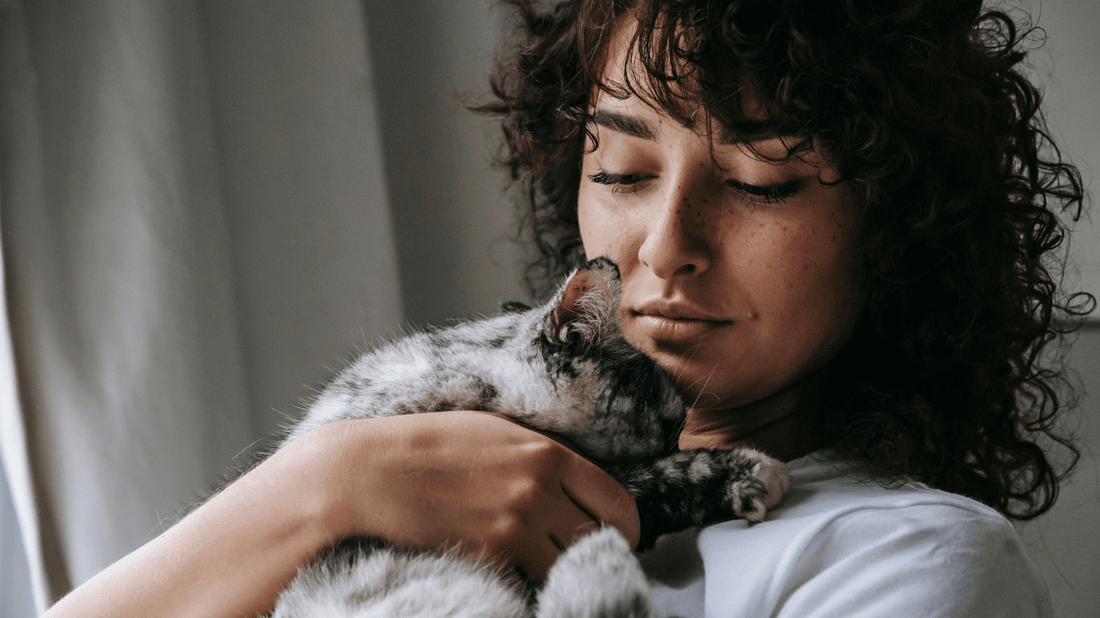
Cat dental care can feel daunting, especially when your cat dislikes mouth handling or you are unsure what healthy teeth and gums should look like. The answer is not to panic or force a toothbrush. A calm routine, regular veterinary checks and attention to small changes can make oral care much more manageable.
Up to 85% of cats over the age of three develop some form of dental disease. Because cats often hide discomfort, knowing the warning signs matters just as much as choosing a home-care product.
Key takeaways
- Persistent bad breath, red gums and eating changes deserve a veterinary check.
- Home care can support oral health but cannot remove hardened tartar or treat a painful tooth.
- Brushing is useful when introduced gradually and comfortably accepted.
- A simple routine you can repeat is better than one that becomes a daily struggle.
- Purrlys® offers brush-free support for the oral and gut microbiomes.
What healthy cat dental care looks like
Good dental care combines professional assessment with suitable home support. Your vet can examine the mouth, identify disease and recommend treatment when needed. At home, you can monitor changes and use a routine suited to your cat.
Healthy gums are generally even and pink, although normal pigmentation varies. Teeth should not be loose or broken, and eating should appear comfortable. A home check cannot reveal every problem, particularly below the gumline.
When your cat is relaxed, gently lift the lip for a brief look if they allow it. Do not force the mouth open or continue if your cat becomes distressed.
Signs your cat needs a dental check
Arrange a veterinary assessment if you notice:
- persistent or unusually strong bad breath
- red, swollen or bleeding gums
- drooling or pawing at the mouth
- dropping food or chewing on one side
- visible tartar, a loose tooth or a damaged tooth
- reduced appetite, weight loss or hiding more than usual
- facial swelling or signs of pain
Contact your vet promptly if your cat stops eating, has marked swelling or appears to be in significant pain. Do not scrape tartar from the teeth at home.
The oral and gut microbiomes
The mouth contains a community of microorganisms known as the oral microbiome. Plaque is a bacterial biofilm that forms on the teeth. If it remains, it can mineralise into tartar, which cannot be safely removed through home care.
The mouth and digestive system are connected because cats swallow oral bacteria throughout the day. Supporting a balanced oral microbiome can complement gut-microbiome support, but it does not diagnose, cure or guarantee prevention of dental disease.
Brushing and brush-free options
Brushing
Brushing with cat-safe toothpaste can help manage soft plaque when your cat accepts it. Introduce the process gradually, keep sessions brief and never use human toothpaste.
If your cat becomes fearful or defensive, stop and ask your vet about alternatives. Forcing the issue can make future handling more difficult.
Dental diets and treats
Some veterinary dental diets and products are designed to provide mechanical action, but suitability varies. Treats add calories and only work as intended if the cat chews them properly. Dry food alone should not be treated as a guaranteed dental clean.
Brush-free support
An odourless, tasteless powder may suit cats that resist direct mouth handling. Brush-free support does not replace veterinary assessment, professional cleaning or treatment for existing disease.
A simple daily routine
- Observe: Notice changes in breath, eating, grooming and behaviour.
- Check gently: Look at the visible gumline when your cat is calm and cooperative.
- Use suitable home care: Follow the directions for any product recommended for your cat.
- Keep water fresh: Clean bowls regularly and provide fresh drinking water.
- Book veterinary checks: Follow the examination schedule recommended by your vet.
There is no need to make dental care a major daily event. Small actions attached to an existing routine are often easier to maintain.
How Purrlys® supports the routine
Purrlys® Premium Oral Dental Probiotic for Cats is an odourless, tasteless powder made in Australia in a human-grade facility. It contains beneficial bacteria selected to support the oral and gut microbiomes and helps protect teeth and gums from plaque and harmful bacteria.
Sprinkle Purrlys® into your cat’s wet food and mix well, twice daily. Introduce it gradually over 6–8 days depending on stomach sensitivity.
The amount varies according to age and stage of introduction. Follow the age-specific directions for using Purrlys® rather than relying on a universal scoop amount.
You should notice an improvement in your cat’s breath after 2 weeks of consistent use. Plaque and gum improvements may take 4–6 weeks. Results vary, and Purrlys® cannot remove hardened tartar or replace veterinary treatment.
Speak with your vet before using Purrlys® if your cat has chronic kidney disease, thyroid disease or follows a therapeutic veterinary diet.
Managing the cost of dental care
Veterinary dental costs vary according to the clinic, your cat’s health and the treatment required. Rather than relying on a single online figure, ask your clinic for an itemised low-to-high estimate.
Check whether the estimate includes blood testing, general anaesthesia, monitoring, IV fluids, dental X-rays, scaling and polishing, extractions, medication and follow-up care. If you have pet insurance, read the dental exclusions, limits and waiting periods before assuming a procedure is covered.
Home care may support oral health, but it should not be promoted as a guarantee against future procedures or veterinary expenses.
Frequently asked questions
Can I care for my cat’s teeth without brushing?
Yes, there are brush-free ways to support oral health, but they do not replace veterinary checks. Ask your vet which combination of products and care suits your cat.
How long does Purrlys® take to improve breath?
You should notice an improvement after 2 weeks of consistent use. Persistent or worsening bad breath still needs a veterinary assessment.
Can I use human probiotics for my cat?
Do not substitute a human supplement without veterinary advice. Products differ in their ingredients, strains, dose and suitability for cats.
Is Purrlys® suitable for a sensitive stomach?
Introduce it gradually over 6–8 days, taking longer if your cat is sensitive. Speak with your vet if your cat has a diagnosed condition, follows a therapeutic diet or develops digestive symptoms.
Can I mix Purrlys® with dry food?
The approved delivery method is to sprinkle it into wet food and mix well, twice daily. Follow the full directions for gradual introduction and age-specific amounts.
Is Purrlys® suitable for kittens and senior cats?
Purrlys® is suitable for cats of all ages and breeds. Senior cats with chronic kidney disease, thyroid disease or a therapeutic veterinary diet should be assessed by their vet before use.
A calmer way to stay on top of dental care
Peace of mind comes from knowing what to watch for and having a realistic plan. Keep veterinary checks up to date, choose home care your cat accepts and act promptly when something changes.
If a brush-free option suits your routine, learn more about Purrlys® Premium Oral Dental Probiotic for Cats and follow the gradual introduction directions.