
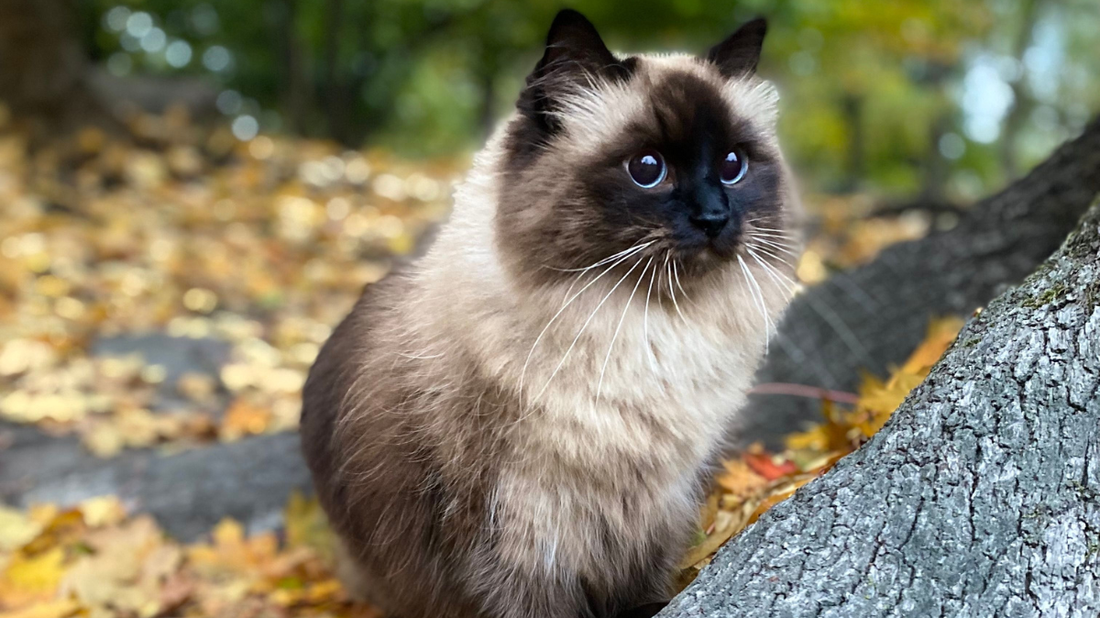
Birmans are known for their blue eyes, silky coats and people-focused personalities. Like every breed, they benefit from regular veterinary care, suitable nutrition, exercise, grooming and attention to subtle changes in behaviour.
Breed guides can help you know what to discuss with your vet, but they cannot predict an individual cat’s health. Genetics, age, lifestyle and preventive care all matter. This guide covers practical Birman care without turning possible health concerns into certainties.
Key takeaways
- Choose a responsible breeder who provides relevant health information about their breeding cats.
- Keep veterinary checks, vaccinations, parasite prevention and dental assessments up to date.
- Watch for changes in breathing, appetite, thirst, urination, weight, mobility and behaviour.
- Support coat health with regular gentle grooming and a complete, balanced diet.
- Purrlys® can support the oral and gut microbiomes as part of a broader care routine.
Understanding Birman health
Birmans are generally affectionate, social cats that often enjoy being close to their families. A quiet temperament does not mean a cat is free from pain or illness. Cats can hide discomfort, so knowing your Birman’s normal eating, drinking, toileting, grooming and activity patterns is useful.
There is no guaranteed lifespan for a breed. Your vet can help you plan care based on your cat’s age, history and current health rather than relying on a broad online average.
Schedule routine health checks at the frequency your vet recommends. Senior cats or cats with diagnosed conditions may need more frequent monitoring.
Health concerns to discuss with your vet
Heart health
Hypertrophic cardiomyopathy, or HCM, can occur in cats, including Birmans. It causes thickening of the heart muscle, but signs can be subtle or absent. A heart murmur does not confirm HCM, and some affected cats may not have an obvious murmur.
Contact your vet if your cat has breathing difficulty, open-mouth breathing, collapse, unusual weakness or a sudden loss of movement in the hind legs. Breathing difficulty is an emergency.
If you are buying a kitten, ask the breeder what heart-health screening has been performed in their breeding lines. Your vet can advise whether further assessment is appropriate for your cat.
Kidney and urinary health
Kidney disease can affect cats as they age, but it should not be assumed that every Birman will develop it. Increased thirst or urination, weight loss, reduced appetite, vomiting and lethargy deserve veterinary attention.
Feline lower urinary tract problems can also cause frequent litter-tray visits, straining, discomfort or blood in the urine. A cat that strains without producing urine needs urgent veterinary care, particularly a male cat.
Dental health
Up to 85% of cats over the age of three develop some form of dental disease. Birmans need the same regular oral assessments as other cats. Persistent bad breath, drooling, red gums, dropping food or chewing on one side should not be dismissed as normal.
Nutrition, weight and hydration
Feed a complete and balanced diet suited to your cat’s life stage and health. “Human-grade” language alone does not establish whether a food is nutritionally complete for cats, so check the label and ask your vet if you are unsure.
Monitor body condition rather than relying only on the number on the scales. Your vet can show you how to feel the ribs and assess the waist. Adjust portions and treats if your Birman is gaining or losing weight unexpectedly.
Fresh water should always be available. Wet food can contribute moisture, but your cat’s ideal diet depends on their individual needs. Cats with kidney, urinary, thyroid or other medical conditions may require a therapeutic veterinary diet.
Coat, grooming and home care
A Birman’s coat is often described as silky and relatively low in undercoat, but individual grooming needs vary. Gentle brushing once or twice a week can remove loose hair and gives you a chance to notice mats, skin changes, fleas, wounds or lumps.
Introduce grooming gradually and keep sessions short. Pay attention to areas that rub or tangle easily, including behind the legs and around the chest. Ask your vet or a cat-experienced groomer for help with severe matting rather than cutting close to the skin.
Provide daily play, climbing opportunities, scratching surfaces and safe resting places. Indoor cats can benefit from window views, puzzle feeders and secure outdoor access such as a properly enclosed catio.
Dental health for Birmans
Brushing with cat-safe toothpaste can help manage soft plaque when a cat accepts it. Never use human toothpaste, and do not force open a painful or resistant mouth.
Dental treats and diets may suit some cats, but they do not replace a veterinary examination. Dry food should not be treated as a guaranteed way to clean teeth, and hardened tartar cannot be safely removed at home.
Arrange a veterinary dental check if you notice persistent bad breath, red or bleeding gums, drooling, a damaged tooth, facial swelling, appetite changes or signs of pain.
The oral and gut microbiomes
The mouth and digestive system are connected because cats swallow oral bacteria throughout the day. Supporting a balanced oral microbiome can complement gut-microbiome support, but it should not be presented as a way to prevent heart or kidney disease.
Purrlys® Premium Oral Dental Probiotic for Cats contains beneficial bacteria selected to support the oral and gut microbiomes. It helps protect teeth and gums from plaque and harmful bacteria as part of a consistent routine.
How Purrlys® fits into the routine
Purrlys® is an odourless, tasteless powder made in Australia in a human-grade facility. It is suitable for cats of all ages and breeds.
Sprinkle Purrlys® into your cat’s wet food and mix well, twice daily. Introduce it gradually over 6–8 days depending on stomach sensitivity.
The amount varies according to age and stage of introduction. Follow the age-specific directions for using Purrlys® rather than relying on a universal scoop amount.
You should notice an improvement in your cat’s breath after 2 weeks of consistent use. Plaque and gum improvements may take 4–6 weeks. Results vary, and Purrlys® cannot remove hardened tartar or replace veterinary dental treatment.
Speak with your vet before using Purrlys® if your Birman has chronic kidney disease, thyroid disease or follows a therapeutic veterinary diet.
A practical Birman wellness checklist
- Arrange veterinary checks at the recommended frequency.
- Keep vaccinations and parasite prevention appropriate to your cat’s lifestyle.
- Feed a complete and balanced diet and monitor body condition.
- Provide fresh water, daily play and environmental enrichment.
- Groom gently and check the coat and skin regularly.
- Watch for changes in breathing, appetite, thirst, urination and behaviour.
- Include dental assessments and suitable home care in the routine.
Frequently asked questions
Are Birman cats generally healthy?
Many Birmans live healthy lives, but no breed is free from health problems. Responsible breeding, veterinary care, nutrition, dental care and early attention to changes all matter.
How often should my Birman see a vet?
Follow the schedule recommended by your vet. Healthy adults commonly have regular wellness checks, while kittens, seniors and cats with medical conditions may need more frequent appointments.
Do Birmans need special heart screening?
Discuss your cat’s family history and examination findings with your vet. If you are choosing a kitten, ask the breeder about health screening in the breeding lines rather than accepting vague assurances.
Do Birman cats need their teeth brushed?
Brushing with cat-safe toothpaste can help when it is introduced gradually and comfortably accepted. If brushing is not suitable, ask your vet about other supportive options. No home product replaces veterinary dental care.
Is Purrlys® suitable for senior Birmans?
Purrlys® is suitable for cats of all ages and breeds. Speak with your vet first if your senior cat has chronic kidney disease, thyroid disease or follows a therapeutic veterinary diet.
How long does Purrlys® take to work?
You should notice an improvement in breath after 2 weeks. Plaque and gum improvements may take 4–6 weeks with consistent use.
Supporting your Birman through every life stage
A good Birman care plan is not built on fear or breed stereotypes. It comes from knowing your cat, noticing changes and working with your vet.
If a brush-free addition suits your cat’s dental routine, learn more about Purrlys® Premium Oral Dental Probiotic for Cats and follow the gradual introduction directions.